

Top Fat Burning Mistakes.
The quest for a leaner physique is perhaps one of the most common human endeavors in the modern era. Millions of individuals embark on fitness journeys every year with the intention of shedding excess body fat and improving their metabolic health. However, the path to successful fat loss is frequently obstructed by a collection of persistent myths, physiological misunderstandings, and psychological traps. While the fundamental law of thermodynamics dictates that a caloric deficit is necessary for weight loss, the biological reality of human metabolism is far more nuanced. Many people find themselves working incredibly hard only to see minimal results or, worse, experience a complete plateau. Understanding the top fat-burning mistakes is essential for anyone looking to transform their body composition in a sustainable and healthy manner.
One of the most prevalent mistakes is the adoption of an excessively large caloric deficit. It is a natural impulse to believe that if a small deficit is good, a massive deficit must be better. This logic often leads to crash dieting or extreme restriction. However, the human body is an evolutionary masterpiece designed for survival, not for aesthetic perfection. When caloric intake drops too low, the body perceives a state of famine and initiates a series of compensatory mechanisms known as adaptive thermogenesis. This process involves a significant downregulation of the metabolic rate, a decrease in spontaneous movement, and an increase in hunger hormones like ghrelin. Furthermore, when the body lacks sufficient energy from food, it may begin to break down muscle tissue to meet its energy needs. Since muscle is metabolically active tissue that burns more calories at rest than fat, losing muscle directly sabotages long-term fat loss efforts.
Closely related to nutritional errors is the overreliance on cardiovascular exercise as the primary tool for fat loss. While cardio is excellent for heart health and can contribute to an overall caloric deficit, it is often misused. Many individuals spend hours on treadmills or elliptical machines while completely ignoring resistance training. This approach is problematic because steady-state cardio does very little to build or preserve muscle mass during a fat loss phase. Resistance training, on the other hand, provides the necessary stimulus for the body to maintain its lean tissue. By lifting weights or performing bodyweight exercises, individuals signal to their bodies that muscle is a vital asset that must be preserved despite the caloric deficit. A body with more muscle mass enjoys a higher basal metabolic rate, making it significantly easier to maintain fat loss over time.
The neglect of protein intake is another critical error that hinders progress. Protein is the most satiating macronutrient, meaning it helps individuals feel full and satisfied for longer periods. It also has the highest thermic effect of food, requiring more energy to digest, absorb, and process compared to fats or carbohydrates. Perhaps most importantly, adequate protein intake is essential for repairing and maintaining muscle tissue during weight loss. When people focus solely on lowering calories without ensuring they meet their protein requirements, they often experience intense hunger and a higher rate of muscle loss. A high-protein diet acts as a metabolic safeguard, ensuring that the weight lost comes primarily from fat stores rather than from the functional tissues of the body.
Many people also underestimate the impact of lifestyle factors such as sleep and stress management. The biological environment in which fat loss occurs is governed by hormones. Chronic sleep deprivation leads to an increase in cortisol, a stress hormone that, when elevated for long periods, promotes the storage of visceral fat around the midsection. Lack of sleep also disrupts the balance between ghrelin and leptin, the hormones that signal hunger and fullness. A sleep-deprived individual is more likely to experience intense cravings for high-calorie, hyper-palatable foods and has less willpower to resist them. Similarly, high levels of psychological stress can stall fat loss even if the diet and exercise routine are perfect. Managing stress through recovery, mindfulness, and adequate rest is not a luxury but a physiological necessity for effective fat burning.
A subtle but damaging mistake involves the miscalculation of energy intake, often through hidden calories or liquid macros. It is remarkably easy to consume hundreds of extra calories without realizing it. Cooking oils, salad dressings, sauces, and small snacks can quickly add up and erase a planned caloric deficit. Furthermore, liquid calories from sodas, sweetened coffees, and alcohol are often ignored by the brain’s satiety centers. Alcohol, in particular, presents a double challenge. Not only does it provide empty calories, but the body prioritizes the metabolism of alcohol over the oxidation of fat. When alcohol is present in the system, fat burning essentially pauses until the toxin is cleared. Being meticulous about tracking total intake, including the small additions, is often the difference between success and failure.
The psychological trap of the all-or-nothing mentality is perhaps the most common reason for long-term failure. This mindset dictates that if a person deviates even slightly from their plan, the entire day or week is ruined. This often leads to a cycle of restriction followed by binge eating. Successful fat loss requires consistency over a long period, not perfection for a short period. People who view their journey as a lifestyle change rather than a temporary fix are much more likely to navigate social events, holidays, and occasional setbacks without derailing their progress. Understanding that one meal or one missed workout does not define the outcome is crucial for maintaining the mental resilience needed to reach the finish line.
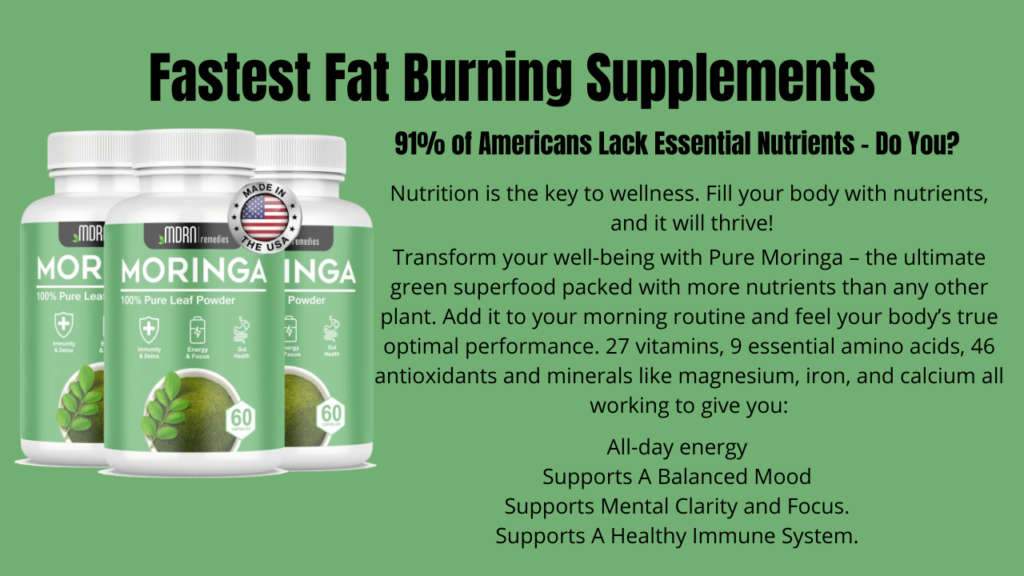
Furthermore, many individuals place too much faith in supplements and fat burners while ignoring the foundations of health. The supplement industry is a multi-billion dollar market built on the promise of quick results. While some supplements like caffeine or protein powder can offer marginal benefits, they are entirely ineffective if the diet and exercise programs are not in order. There is no magic pill that can override a caloric surplus or a sedentary lifestyle. Relying on supplements often distracts people from the hard work of meal planning and consistent training. The focus should always be on whole foods and structured movement before considering any ergogenic aids.
Another overlooked factor is the role of non-exercise activity thermogenesis, or NEAT. This refers to the energy expended during everything we do that is not sleeping, eating, or structured exercise. It includes walking, standing, fidgeting, and doing household chores. For many people, a one-hour gym session is the only time they are active, while the remaining twenty-three hours are spent sitting. Interestingly, the body often subconsciously reduces NEAT when it is in a caloric deficit or when a person is exhausted from too much cardio. This decrease in spontaneous movement can significantly reduce the total daily energy expenditure, effectively canceling out the calories burned during a workout. Prioritizing daily movement, such as hitting a step goal, is a powerful and sustainable way to keep the metabolism active without causing excessive fatigue.
Inaccurate tracking and a lack of patience also play significant roles in fat loss plateaus. The human body does not lose fat in a perfectly linear fashion. Weight can fluctuate daily due to water retention, glycogen levels, inflammation, and hormonal cycles. Many people become discouraged when the scale does not move for a few days and conclude that their plan is not working. This often leads to premature changes, such as further cutting calories or adding even more cardio, which can backfire. Measuring progress through multiple metrics, such as body measurements, photos, strength levels, and how clothes fit, provides a more accurate picture of body composition changes than the scale alone.
In conclusion, successful fat burning is a complex process that requires a balanced approach to nutrition, exercise, and lifestyle. Avoiding the traps of extreme caloric restriction and excessive cardio while prioritizing protein and resistance training creates a solid physiological foundation. When combined with adequate sleep, stress management, and consistent daily movement, the body is placed in an optimal state for fat loss. Perhaps most importantly, shifting away from a mindset of perfection toward one of sustainable consistency allows for long-term success. By understanding these common mistakes and focusing on the underlying biological principles of metabolism, anyone can achieve their fat loss goals and maintain a healthier, more vibrant body for years to come.