

Fat Burners vs. Diet: What Works?
The pursuit of a leaner body and improved health has created a massive global industry centered on weight loss solutions. At the heart of this industry lies a perpetual debate between the efficacy of nutritional discipline and the convenience of pharmacological assistance. Specifically, the comparison between fat burners and structured dieting remains a primary concern for those looking to shed excess weight. To understand which approach truly works, one must look past marketing slogans and examine the underlying physiology of human metabolism, the thermic effect of food, and the biochemical mechanisms that govern how our bodies store and release energy.
Weight loss is fundamentally governed by the laws of thermodynamics. For an individual to lose body fat, they must achieve a state of negative energy balance, commonly known as a caloric deficit. This means the energy expended through movement and basic biological functions must exceed the energy consumed through food and drink. While this concept sounds simple, the execution is often complicated by biological adaptations and environmental factors. This complexity is exactly where the tension between dietary intervention and fat-burning supplements arises.
Dietary intervention is the undisputed foundation of any successful weight loss journey. The food we consume acts as both a source of fuel and a hormonal signal. When we prioritize whole foods, lean proteins, and complex carbohydrates, we are not just managing calories; we are managing how our bodies respond to those calories. Protein, for instance, has a high thermic effect. This means the body requires more energy to digest and process protein than it does for fats or carbohydrates. Furthermore, a diet rich in fiber and protein increases satiety, making it easier to maintain a caloric deficit without the constant distraction of hunger. This hormonal regulation, particularly the management of insulin and leptin, is something a pill cannot replicate. When insulin levels are kept stable through proper nutrition, the body is more readily able to access stored fat for energy.
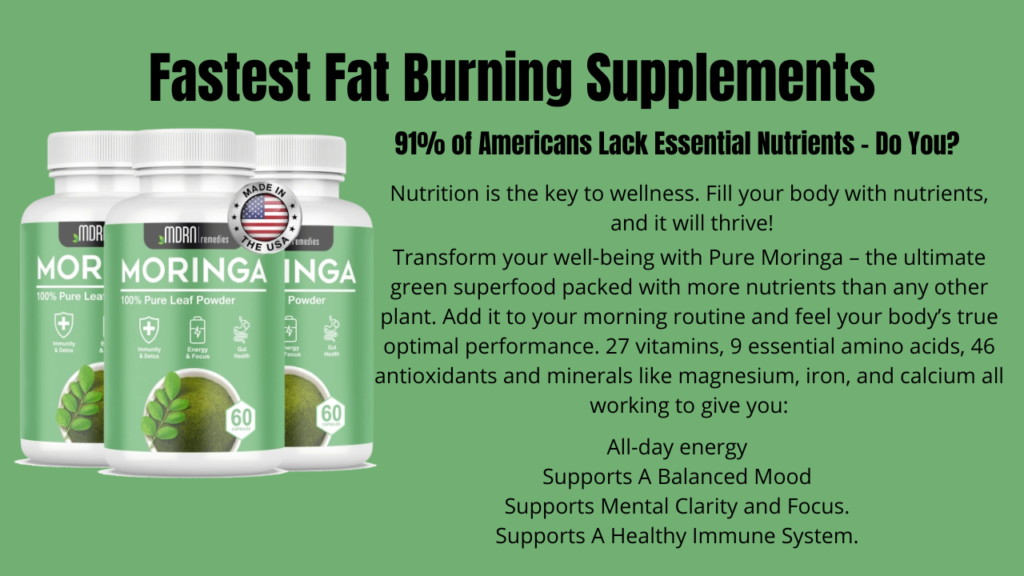
On the other side of the spectrum, fat burners are marketed as a shortcut or a performance enhancer for the metabolism. Most fat-burning supplements fall into one of three categories: thermogenics, appetite suppressants, or lipolytic agents. Thermogenics typically contain stimulants like caffeine, green tea extract, or synephrine, which are designed to slightly increase the core body temperature and heart rate. This elevation in metabolic rate theoretically leads to more calories burned throughout the day. Appetite suppressants aim to reduce the desire to eat, often using fiber-based ingredients or chemical compounds that signal fullness to the brain. Lipolytic agents claim to help the body break down fat cells more efficiently so they can be burned as fuel.
However, the efficacy of fat burners is often vastly overstated. Scientific studies generally show that even the most effective legal fat burners only increase daily caloric expenditure by a very small margin, often less than one hundred calories per day. To put this into perspective, a single large apple or a handful of almonds could easily negate the entire metabolic advantage provided by a fat-burning supplement. This is the primary reason why many people find these products disappointing. They treat the supplement as a primary driver of weight loss rather than a marginal aid. Without a controlled diet, the metabolic boost provided by these stimulants is insufficient to overcome the caloric surplus generated by poor eating habits.
Furthermore, the psychological impact of relying on fat burners can be detrimental to long-term success. There is a common phenomenon where individuals who take a fat-burning pill subconsciously feel they have a license to be less strict with their diet. This moral licensing leads to an increase in caloric intake that far exceeds the modest benefits of the supplement. In contrast, focusing on diet requires a conscious engagement with one’s habits. It fosters a deeper understanding of portion control, nutritional density, and emotional eating triggers. These are the skills required to maintain weight loss once the initial goal is reached. Fat burners offer no such education or behavioral change.
The safety profile of fat burners is another critical area of concern. Because the supplement industry is not regulated as strictly as the pharmaceutical industry in many regions, the purity and actual dosage of ingredients can vary. High doses of stimulants can lead to increased blood pressure, heart palpitations, anxiety, and disrupted sleep patterns. Sleep is a vital component of metabolic health, and its disruption can ironically lead to weight gain by increasing cortisol levels and triggering cravings for high-calorie foods. A well-structured diet, however, tends to improve overall health markers, including cholesterol levels, blood sugar regulation, and cardiovascular health, provided the weight loss is achieved through nutrient-dense choices.
The most effective approach is rarely a choice between one or the other but rather a clear prioritization. If we imagine weight loss as a house, the diet is the foundation, the walls, and the roof. Fat burners, at their very best, are merely the paint on the walls. One cannot paint a house that has not yet been built. For those who have already mastered their nutritional intake, who are consistently in a caloric deficit, and who have reached a plateau in their progress, a mild fat burner might provide a very slight edge. However, for the vast majority of people, the investment in supplements yields a poor return compared to the investment in meal planning and understanding macronutrients.
A deep dive into the metabolic processes reveals that the body is highly adaptive. When we drastically cut calories or overstimulate the system with fat burners, the body often responds by slowing down other nonessential processes to conserve energy. This is known as adaptive thermogenesis. A gradual, diet-focused approach allows the body to adjust more naturally, preserving lean muscle mass, which is essential for maintaining a high resting metabolic rate. Muscle tissue is metabolically active, meaning it burns more calories than fat tissue even at rest. A diet that includes sufficient protein and is paired with resistance training will do more for long-term fat burning than any bottle of pills ever could.
Ultimately, the question of what works comes down to sustainability and magnitude of effect. Diet works because it addresses the root cause of weight gain: an energy imbalance. It allows for the manipulation of the largest variables in the weight loss equation. Fat burners work only on the margins and only if the primary variables are already controlled. The allure of a quick fix is powerful, but the physiological reality remains that there is no substitute for the consistent application of nutritional science.
In conclusion, the comparison between fat burners and diets reveals a clear hierarchy. Diet is the essential mechanism for fat loss, providing the necessary caloric deficit and hormonal environment for the body to utilize stored energy. Fat burners are, at best, a secondary tool that offers minimal benefits and carries potential risks. For anyone serious about changing their body composition, the focus must remain on the kitchen rather than the supplement cabinet. True transformation is a result of habitual changes and a commitment to understanding how food fuels the human form. By prioritizing a balanced, calorie-controlled diet, individuals ensure a path to weight loss that is not only effective but also healthy and sustainable for the long term.