

Best Supplements for Belly Fat Reduction
The pursuit of a leaner midsection and the reduction of abdominal adiposity are among the most common objectives for individuals engaging in fitness and nutritional programs. While the primary drivers of fat loss are a sustained caloric deficit and consistent physical activity, the role of targeted supplementation has gained significant attention in both scientific research and the wellness industry. Understanding how various compounds interact with human physiology to promote the mobilization and oxidation of stored lipids is essential for anyone looking to optimize their body composition. It is important to distinguish between subcutaneous fat, which sits just under the skin, and visceral fat, which resides deep within the abdominal cavity and surrounds vital organs. Visceral fat is particularly noteworthy because it is metabolically active and associated with a higher risk of systemic inflammation and metabolic imbalances.
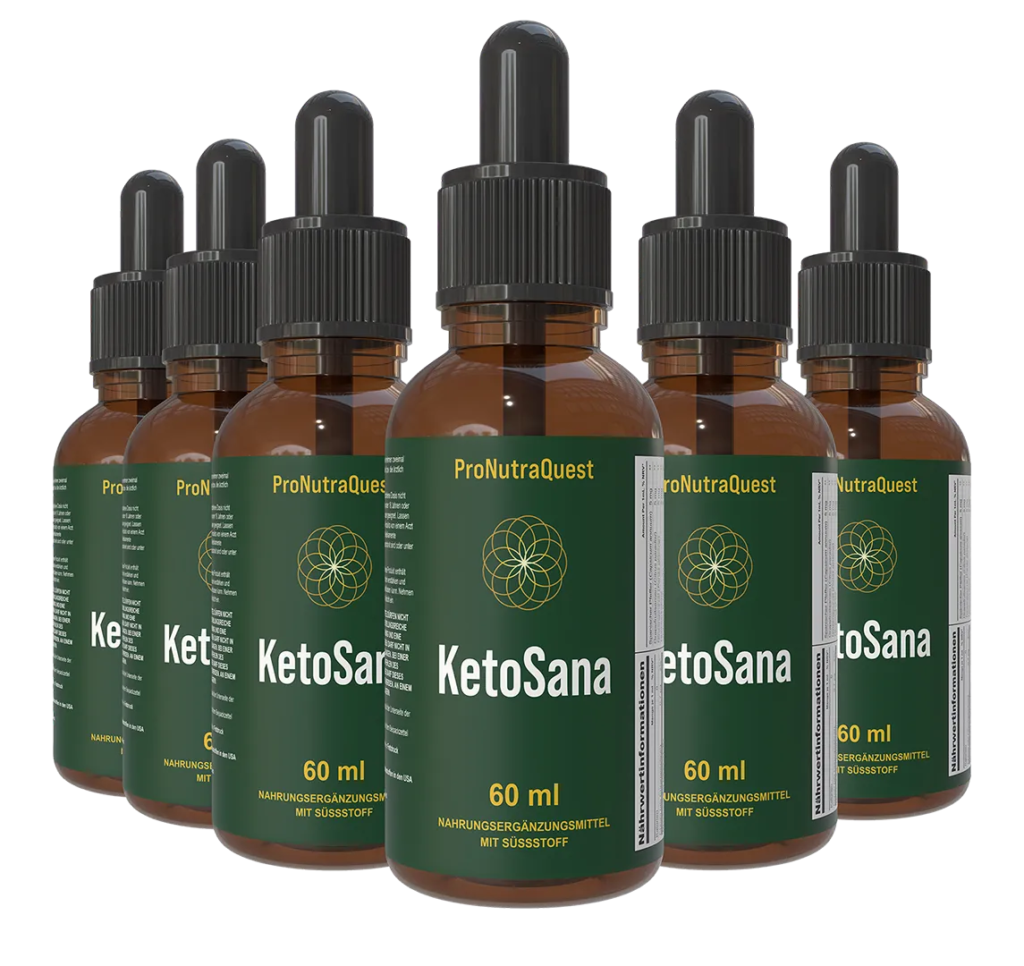
KetoSana – Metabolic Breakthrough Drops (DACH Market)
Dietary Supplements – Weight Loss
A comprehensive approach to belly fat reduction through supplementation involves addressing several physiological pathways, including thermogenesis, appetite regulation, insulin sensitivity, and hormonal balance. No single pill can replace the fundamental requirements of a healthy lifestyle, but certain high-quality supplements can serve as potent catalysts when used correctly.
One of the most evidence-based supplements available for metabolic support is green tea extract. This botanical substance is highly concentrated in polyphenols known as catechins. The most influential of these is epigallocatechin gallate, a compound that has been shown to increase the body’s rate of fat oxidation. It works by inhibiting an enzyme that degrades norepinephrine, a hormone that signals the nervous system to break down fat cells. When norepinephrine levels remain elevated, the body is more efficient at utilizing stored fat for energy. Research indicates that the effects of green tea extract are significantly enhanced when combined with regular aerobic exercise, specifically targeting the fat located in the abdominal region.
Caffeine is another cornerstone ingredient found in many effective weight management protocols. As a natural stimulant, it increases the resting metabolic rate by stimulating the central nervous system. This stimulation leads to the release of epinephrine, which travels through the blood to the fat tissues, signaling them to break down fats and release them into the blood. Furthermore, caffeine improves physical performance and focus, allowing for more intense training sessions that burn more calories. While the body can build a tolerance to caffeine over time, its strategic use can provide the metabolic nudge necessary to overcome plateaus in fat loss.
Appetite management is equally critical in the quest to reduce belly fat, and this is where soluble fiber supplements like glucomannan play a vital role. Derived from the root of the konjac plant, glucomannan is a highly viscous fiber that can absorb many times its weight in water. When consumed before meals, it forms a gel-like substance in the stomach that promotes a significant sense of fullness and delays gastric emptying. This mechanism helps individuals adhere to a lower-calorie diet without experiencing the intense hunger pangs that often lead to overeating. By stabilizing blood sugar levels and reducing the insulin response after meals, glucomannan helps create a hormonal environment that favors fat burning over fat storage.
In recent years, the scientific community has uncovered a profound link between gut health and body weight. The gut microbiome influences how the body extracts energy from food and how it stores fat. Specific probiotic strains, particularly those in the Lactobacillus family such as Lactobacillus gasseri, have demonstrated the ability to reduce abdominal fat and waist circumference. These beneficial bacteria may help by reducing the amount of dietary fat absorbed in the small intestine and by influencing the expression of genes related to fat metabolism. Maintaining a diverse and healthy microbiome through probiotic supplementation is a sophisticated strategy for long-term weight maintenance and abdominal health.
Protein supplementation is frequently overlooked in discussions about fat loss, yet it is arguably one of the most effective tools for reshaping the body. High-quality protein powders, such as whey or plant-based isolates, help preserve lean muscle mass during periods of caloric restriction. Because muscle tissue is more metabolically active than adipose tissue, maintaining muscle mass ensures that the resting metabolic rate remains high. Additionally, protein has a high thermic effect of food, meaning the body spends more energy digesting and processing protein than it does for fats or carbohydrates. The satiety provided by protein also helps regulate the hormones that control hunger, making it easier to maintain the necessary caloric deficit for belly fat reduction.
Omega-3 fatty acids, commonly found in fish oil supplements, are essential for managing the inflammatory processes that contribute to fat accumulation. Chronic low-grade inflammation is often a precursor to increased visceral fat. Omega-3s help mitigate this inflammation and improve the sensitivity of cell receptors to insulin. When the body is sensitive to insulin, it can manage blood glucose more effectively and is less likely to store excess energy as fat in the abdominal area. Furthermore, some studies suggest that omega-3 supplementation can help lower levels of cortisol, a hormone produced by the adrenal glands in response to stress. Elevated cortisol is famously linked to the accumulation of fat in the midsection, making stress-managing supplements an indirect but powerful tool for fat loss.
Vitamin D and magnesium are two micronutrients that are fundamental to metabolic health but are frequently deficient in the general population. Vitamin D acts more like a hormone than a traditional vitamin, influencing thousands of processes in the body, including the regulation of fat cell development and the secretion of insulin. Research has shown a strong correlation between low levels of vitamin D and higher levels of belly fat. Magnesium, on the other hand, is involved in glucose metabolism and the regulation of blood pressure. By ensuring these micronutrients are at optimal levels, an individual can ensure that their metabolic machinery is functioning at its peak capacity, facilitating easier fat loss.
Apple cider vinegar, often consumed in capsule form for convenience, has also shown potential in helping to reduce abdominal fat stores. The active component, acetic acid, may help reduce the storage of fat in the liver and the belly by improving the body’s ability to take up sugar from the blood. While the effects are generally modest, the inclusion of apple cider vinegar in a supplement regimen can support better blood sugar control and slightly increase the rate of fat oxidation during the day.
Conjugated linoleic acid is a naturally occurring fatty acid that has been widely studied for its body-shaping properties. It is believed to help reduce body fat by increasing the activity of enzymes that break down fat in the cells. While the results can vary among individuals, many find it to be a helpful addition to a stimulant-free fat-loss stack. Similarly, L-carnitine plays a crucial role in the transport of fatty acids into the mitochondria of the cells, where they can be burned for fuel. This makes it an excellent supplement for those who engage in frequent exercise, as it helps the body utilize fat as its primary energy source during physical activity.
The success of any supplementation strategy depends heavily on the quality of the products chosen and the consistency with which they are taken. It is essential to select products that are transparent about their ingredients and have undergone third-party testing for purity. Moreover, the timing of these supplements can impact their effectiveness. For instance, thermogenic agents are often most effective when taken before exercise, while fiber-based supplements should be taken before the largest meals of the day to maximize satiety.
It is also vital to recognize that the endocrine system plays a major role in where the body chooses to store fat. Factors such as sleep quality and chronic stress can undermine even the most disciplined diet and supplement routine. Lack of sleep can disrupt the balance of leptin and ghrelin, the hormones that signal fullness and hunger, leading to increased cravings and a slower metabolism. Therefore, supplements that support healthy sleep patterns or help the body adapt to stress, such as ashwagandha or magnesium, can be considered part of a holistic belly fat reduction strategy.
Ultimately, the reduction of belly fat is a biological process that requires time and a multi-angled approach. Supplements provide a valuable means of tipping the metabolic scales in favor of fat loss, but they work best when they complement a foundation of whole foods and physical movement. By focusing on compounds that increase energy expenditure, improve hormonal health, and manage the psychological and physiological aspects of hunger, individuals can achieve a more defined and healthier midsection. The journey toward a leaner body is not about finding a single miracle solution but about assembling a toolkit of effective strategies that work in harmony with the natural processes of the human body.
In summary, green tea extract, caffeine, soluble fiber, probiotics, and high-quality protein are among the most effective supplements for those targeting a reduction in belly fat. When these are supported by essential micronutrients and healthy lifestyle habits, the path to achieving one’s physical goals becomes much clearer and more manageable. Consistency remains the most important factor, as the metabolic changes required for significant fat loss occur over weeks and months of diligent effort. By taking a scientifically informed approach to supplementation, anyone can enhance their results and improve their overall metabolic well-being.