

THE COMPLEX LANDSCAPE OF WEIGHT LOSS SUPPLEMENT SAFETY AND EFFICACY
The global weight management market has experienced unprecedented growth over the last several decades, fueled by a societal emphasis on aesthetics and the rising prevalence of metabolic health challenges. Within this multi-billion dollar industry, weight loss supplements occupy a significant and often controversial space. These products promise various benefits ranging from rapid fat oxidation and appetite suppression to enhanced metabolic rates. However, the fundamental question regarding their safety remains a point of intense debate among medical professionals, regulatory bodies, and consumers. Understanding the safety profile of these products requires a deep dive into regulatory frameworks, the physiological impact of common ingredients, and the systemic issues within the manufacturing chain.
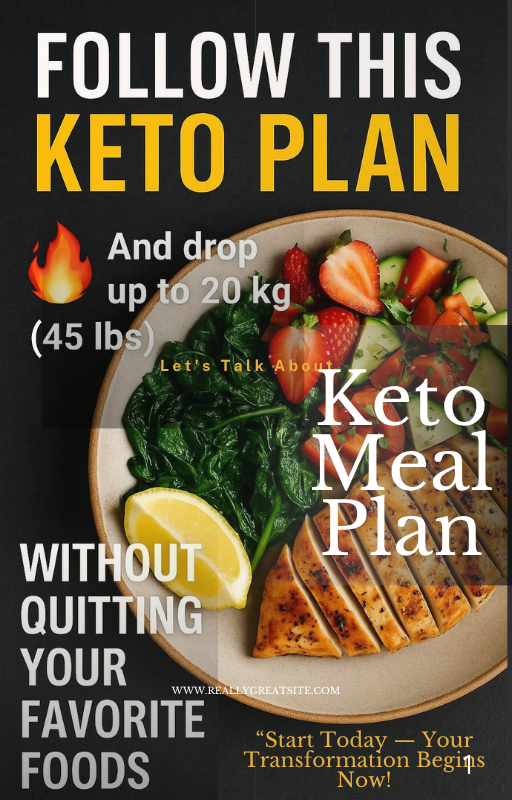
Tired of diets that don’t last? This 15-day keto plan is your new best friend!
✔ 15 simple meals
✔ Daily motivation
✔ Easy fasting tips
Start today – affordable & ready to download.
To address whether weight loss supplements are safe, one must first understand the regulatory environment that governs them. In many jurisdictions, most notably the United States under the Dietary Supplement Health and Education Act of 1994, these products are categorized differently than pharmaceutical drugs. While prescription medications must undergo rigorous clinical trials and provide extensive proof of safety and efficacy before reaching the market, dietary supplements are generally considered safe until proven otherwise. This post-market surveillance model means that the responsibility for ensuring safety lies primarily with the manufacturers. The regulatory authorities typically only intervene after reports of adverse effects or significant health crises emerge. Consequently, a product can remain on store shelves for years before its potential dangers are fully realized or documented.
This lack of pre-market approval creates a landscape where the burden of proof is inverted. Consumers often operate under the assumption that if a product is available for purchase at a reputable retailer, it must have been vetted by health authorities. In reality, the oversight is reactive rather than proactive. This systemic gap allows for variations in ingredient purity, concentration, and even the inclusion of unlisted substances. The absence of mandatory standardized testing for every batch produced means that two bottles of the same supplement could potentially have different physiological effects on the body.
The safety of a weight loss supplement is largely dictated by its active ingredients. Most products on the market utilize a combination of stimulants, fiber derivatives, or botanical extracts. Stimulants like caffeine, green tea extract, and bitter orange are intended to increase energy expenditure and suppress hunger. While caffeine is widely consumed and generally recognized as safe in moderate amounts, the concentrated doses found in weight loss pills can lead to significant cardiovascular strain. Excessive intake of stimulants can cause heart palpitations, elevated blood pressure, insomnia, and severe anxiety. For individuals with underlying heart conditions, many of whom may be seeking weight loss for health reasons, these effects can be life-threatening.
Beyond stimulants, botanical extracts like Garcinia Cambogia and green tea extract have come under scrutiny for their potential impact on liver health. While these ingredients are natural, they are often processed into highly concentrated forms that the human body is not evolved to process in such quantities. There have been numerous documented cases of hepatotoxicity, or liver damage, linked to the long-term use of specific fat-burning formulations. The term “natural” does not inherently mean “safe.” Arsenic and cyanide are natural substances, yet they are toxic. This distinction is vital for consumers who may be misled by marketing language that emphasizes the herbal or botanical origins of a product.
Another significant safety concern involves the clandestine inclusion of banned or pharmaceutical substances. Because the supplement industry is so vast, some unscrupulous manufacturers have been caught spiking their products with discarded or banned drugs to ensure that users see immediate results. For example, sibutramine, a potent appetite suppressant that was removed from the market due to its association with heart attacks and strokes, has frequently been discovered in products labeled as all natural herbal blends. These hidden ingredients pose the greatest risk because the consumer is entirely unaware of the pharmacological load they are placing on their system, and doctors may struggle to identify the cause of a sudden health emergency.
The interaction between supplements and prescription medications is another critical safety frontier. Many people attempting to lose weight may already be taking medications for high blood pressure, type 2 diabetes, or mental health conditions. Ingredients like St. Johns Wort or high doses of certain minerals can interfere with the metabolism of these drugs, either rendering them ineffective or dangerously increasing their potency. For instance, some fat blockers can interfere with the absorption of fat-soluble vitamins and essential fatty acids, potentially leading to nutritional deficiencies over time. The physiological complexity of the human body means that introducing a nonregulated cocktail of metabolic modifiers can have unpredictable ripple effects across various organ systems.
Efficacy and safety are also intrinsically linked through the psychological impact on the consumer. The promise of a quick fix can lead to a dependency on these products, discouraging the adoption of sustainable lifestyle changes such as a balanced diet and regular physical activity. When a supplement fails to deliver results, users may increase the dosage beyond the recommended limits in a desperate attempt to trigger weight loss, thereby exponentially increasing their risk of toxicity or adverse reactions. This cycle of use can lead to disordered eating patterns and a skewed perception of health, where the number on the scale is prioritized over systemic well-being.
Furthermore, the marketing of these supplements often relies on anecdotal evidence rather than peer-reviewed scientific data. Testimonials and heavily edited before-and-after photographs create an illusion of efficacy that is rarely matched by clinical reality. When scientific studies are cited, they are often small-scale, funded by the industry, or conducted on animal models rather than humans. This makes it difficult for even a discerning consumer to separate legitimate health claims from predatory marketing tactics. The psychological lure of an effortless solution often overrides the rational caution that should be applied to what one ingests.
To navigate this landscape safely, professional medical consultation is indispensable. Before starting any weight loss regimen that involves supplementation, an individual should undergo a comprehensive health screening to identify any contraindications. A physician or a registered dietitian can provide an objective assessment of whether a particular ingredient is necessary or safe given the individual’s medical history. Furthermore, looking for third-party certifications from independent organizations can provide an additional layer of security. These organizations test products for purity and verify that the contents of the bottle match what is listed on the label, though they do not necessarily vouch for the effectiveness of the weight loss claims.
In conclusion, the safety of weight loss supplements is not a binary reality but rather a spectrum of risk influenced by regulation, ingredient profiles, and individual health status. While some products containing simple fibers or moderate amounts of vitamins may be relatively harmless, many others harbor significant risks that are obscured by a lack of rigorous oversight and aggressive marketing. The potential for cardiovascular stress, liver damage, and dangerous drug interactions makes these products a high-stakes gamble for many. True health and sustainable weight management are best achieved through the foundational pillars of nutrition, movement, and behavioral change, rather than through the use of poorly regulated metabolic shortcuts. Caution, transparency, and clinical guidance must always take precedence over the allure of a miracle solution.