

Best Keto Supplements Reviewed.
The ketogenic lifestyle represents a profound shift in human metabolism, moving the primary energy source from glucose to fat-derived molecules known as ketones. While the foundational principles of this nutritional strategy rely on high healthy fat intake and moderate protein with minimal carbohydrates, achieving and maintaining a state of deep ketosis can be challenging. This is where high-quality supplementation becomes a vital component for success. Integrating specific nutritional tools can bridge the gap between dietary transition and long-term metabolic optimization, helping individuals avoid common pitfalls and enhance their overall performance.
SlimSana Weight Loss
Dietary Supplements – Weight Loss

THE ROLE OF EXOGENOUS KETONES AND BHB SALTS
One of the most prominent supplements in the ketogenic marketplace is exogenous ketones, specifically those formulated as Beta-Hydroxybutyrate or BHB salts. Under normal circumstances, the body produces ketones internally through a process called ketogenesis in the liver. However, during the initial phases of dietary change, the body may struggle to produce enough ketones to meet immediate energy demands. Supplementing with BHB salts provides an immediate supply of cellular fuel that can be used by the brain and muscles.
These supplements are typically bound to minerals like sodium, potassium, and calcium, which serves a dual purpose. First, they deliver the ketone bodies directly into the bloodstream, raising blood ketone levels rapidly. Second, they provide essential minerals that are often depleted during the early stages of a low-carbohydrate diet. The primary benefit of exogenous ketones is not just weight loss, but rather the mitigation of symptoms associated with the metabolic transition, such as brain fog and physical lethargy. By providing an alternative fuel source before the body has fully adapted to burning its own fat stores, BHB salts act as a metabolic bridge.
MEDIUM CHAIN TRIGLYCERIDES AND MCT OIL BENEFITS
Following closely in importance is MCT oil, which stands for medium-chain triglycerides. Unlike the long-chain fats found in many common oils and meats, MCTs are processed differently by the human body. They bypass the standard lymphatic system and are sent directly to the liver via the portal vein. This direct route allows the liver to convert these fats into ketones with remarkable efficiency.
Caprylic acid, often labeled as C8, is considered the most potent form of MCT for ketone production. When individuals incorporate MCT oil into their coffee or salads, they provide their systems with a fast-acting source of energy that does not require bile or complex digestion. This is particularly useful for those who find high-fat meals heavy on the stomach. Furthermore, MCT oil has been shown to increase satiety, helping people maintain a caloric deficit without the constant gnawing of hunger that often accompanies more traditional diets.
THE ESSENTIALITY OF ELECTROLYTE BALANCE
Perhaps the most critical yet overlooked aspect of a successful ketogenic journey is electrolyte management. When carbohydrate intake is significantly reduced, the body undergoes a process called the diuretic effect of ketosis. As insulin levels drop, the kidneys signal the body to release stored water. Along with this water, essential minerals are flushed out, leading to what many describe as the keto flu.
Sodium is the most vital mineral to replace during this time. While conventional nutrition often warns against high salt intake, the ketogenic context requires a deliberate increase in sodium to maintain blood pressure and cellular hydration. Without adequate sodium, individuals may experience headaches, fatigue, and lightheadedness.
Potassium is equally important, working in tandem with sodium to regulate the electrical signals in the heart and muscles. Low potassium levels can manifest as muscle cramps or heart palpitations. Because many potassium-rich foods like bananas are high in sugar, keto-friendly sources like avocados, spinach, and high-quality potassium citrate supplements become indispensable.
Magnesium rounds out the trifecta of essential electrolytes. It is involved in over three hundred biochemical reactions in the body, including protein synthesis and nerve function. On a ketogenic diet, magnesium is particularly useful for improving sleep quality and preventing muscle twitching or nocturnal leg cramps. Choosing a highly bioavailable form, such as magnesium glycinate or malate, ensures that the body can actually absorb and utilize the mineral effectively.
OPTIMIZING LIPID PROFILES WITH OMEGA THREE FATTY ACIDS
While the ketogenic diet is inherently high in fat, the quality of those fats dictates the inflammatory response within the body. Many modern diets are overly reliant on omega-six fatty acids found in processed seed oils. To achieve a healthy balance, supplementation with high-quality fish oil or krill oil is often necessary. Omega-three fatty acids, specifically EPA and DHA, are crucial for cardiovascular health, cognitive function, and the regulation of systemic inflammation. Since many people on keto consume significant amounts of animal products, adding a concentrated source of marine-based omega-threes helps maintain a healthy ratio of fatty acids, supporting long-term heart health and joint mobility.
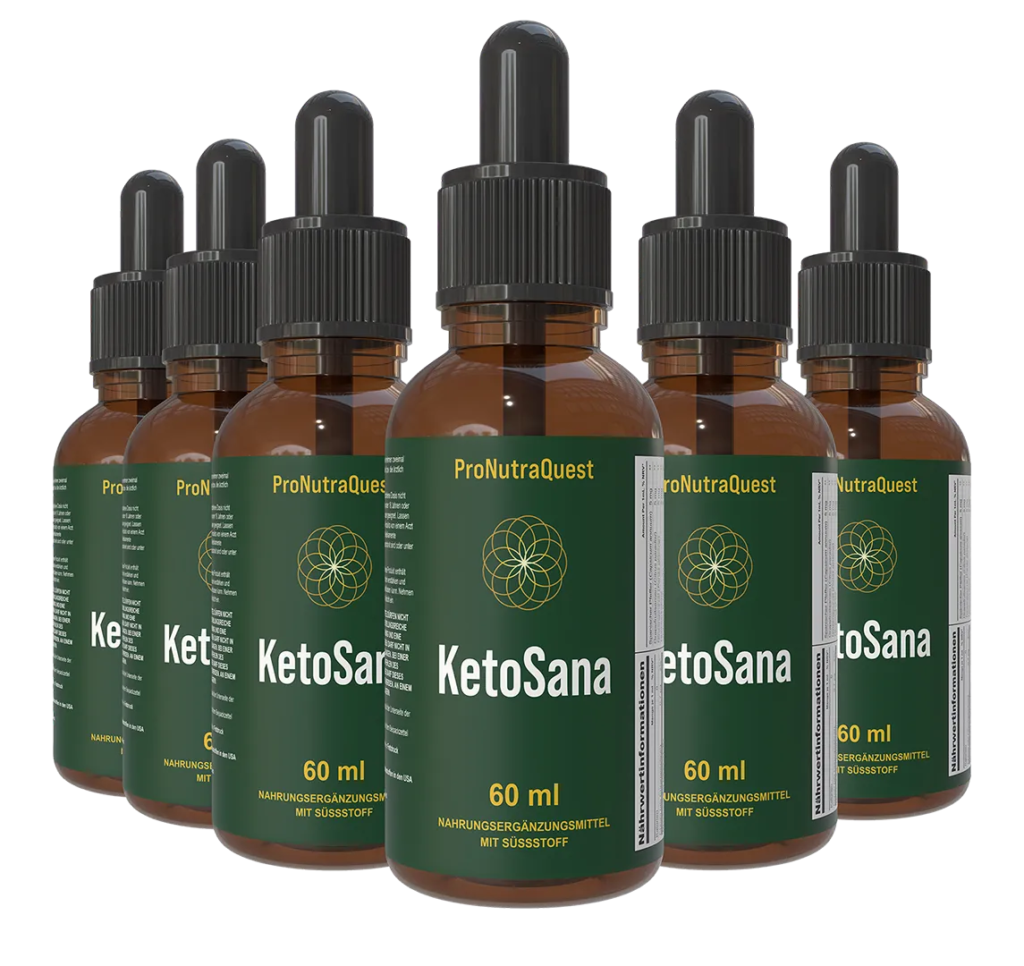
KetoSana – Metabolic Breakthrough Drops
DIGESTIVE SUPPORT AND ENZYME FUNCTION
A sudden increase in dietary fat can sometimes overwhelm the digestive system, particularly for those who have spent years on a low-fat diet. The gallbladder and pancreas must work harder to produce the bile and lipase necessary to break down large quantities of lipids. Digestive enzyme supplements that contain ox bile and lipase can be a game-changer for those experiencing bloating or digestive discomfort. These tools assist the body in emulsifying and absorbing fats, ensuring that the nutritional value of the meals is fully realized rather than causing gastrointestinal distress.
VITAMIN D AND THE MICRONUTRIENT GAP
Although the ketogenic diet is nutrient-dense when executed correctly with plenty of leafy greens and high-quality proteins, certain micronutrient gaps can still occur. Vitamin D, which functions more like a hormone than a vitamin, is essential for immune health and bone density. Since it is fat-soluble, taking it alongside a high-fat keto meal significantly improves absorption. Furthermore, many individuals find that a comprehensive multivitamin designed for low-carb lifestyles helps cover any incidental deficiencies in water-soluble vitamins like B-complex and Vitamin C, which can be lost through increased urination.
THE IMPORTANCE OF FIBER AND PREBIOTICS
One common critique of low-carbohydrate eating is the potential reduction in dietary fiber. Fiber is essential for maintaining a healthy gut microbiome and ensuring regular bowel movements. While non-starchy vegetables provide some fiber, many find it beneficial to supplement with psyllium husk, acacia fiber, or inulin. These prebiotic fibers feed the beneficial bacteria in the gut without raising blood sugar levels. A healthy gut microbiome is linked to improved mood, better immune response, and more efficient weight management, making fiber a silent but powerful ally in the ketogenic toolkit.
CONCLUSION AND HOLISTIC PERSPECTIVE
In conclusion, while the ketogenic diet is a powerful metabolic tool on its own, the strategic use of supplements can significantly enhance its efficacy and sustainability. Exogenous ketones provide immediate energy and mental clarity, while MCT oil offers a reliable source of fat-based fuel. Electrolytes like sodium, potassium, and magnesium are non-negotiable for anyone looking to avoid the discomfort of the transition period and maintain peak physical performance. Furthermore, supporting digestion with enzymes and balancing inflammation with omega-threes ensures that the body operates at its highest potential.
It is important to remember that supplements are intended to complement a diet of whole, unprocessed foods. They are not a replacement for healthy habits but rather a means to optimize the physiological environment for fat adaptation. By understanding the specific roles of these nutrients, individuals can tailor their supplementation protocol to meet their unique needs, leading to a smoother transition, better long-term adherence, and superior health outcomes. Always consider the quality and purity of the products chosen, as the goal is to nourish the body and support its natural metabolic processes.