

Do Natural Supplements Work Better?
The global wellness landscape has undergone a profound transformation over the last several decades. As more individuals seek to take a proactive role in their personal health, the supplement industry has seen an unprecedented surge in growth. Central to this movement is a persistent and often heated debate regarding the source of these nutrients. The question of whether natural supplements work better than their synthetic counterparts is not just a matter of marketing or preference; it is a complex scientific inquiry that involves biochemistry, physiology, and the intricate mechanics of human digestion. To address this question properly, we must look beyond the surface level labels and understand the physiological reality of how the body interacts with different chemical structures.
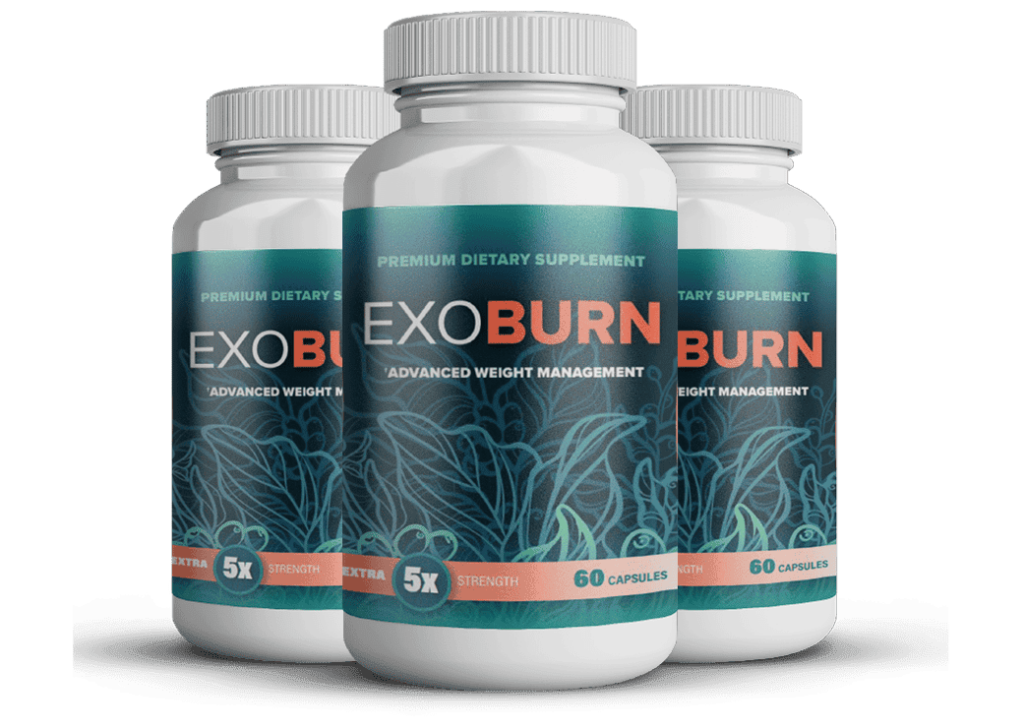
ExoBurn
Dietary supplements – Weight loss
At the core of the discussion is the concept of bioavailability. Bioavailability refers to the proportion of a substance that enters the circulation when introduced into the body and is thus able to have an active effect. From a strictly chemical perspective, many synthetic vitamins are identical to those found in nature. For example, ascorbic acid is the chemical name for vitamin C, whether it is created in a high-tech laboratory or extracted from an acerola cherry. However, nature rarely provides nutrients in isolation. In the natural world, vitamin C is accompanied by a host of other compounds, such as bioflavonoids, enzymes, and phytonutrients. There is a growing body of evidence suggesting that these accompanying substances act as delivery vehicles or catalysts that help the body recognize and utilize the primary nutrient more effectively. This is often referred to as the holistic matrix of whole foods.
The holistic argument suggests that the human body has evolved over millions of years to process complex food structures rather than isolated chemical compounds. When a person consumes a whole food supplement, they are benefiting from the synergistic effect where the total benefit is greater than the sum of its parts. This synergy can prevent the body from being overwhelmed by a sudden spike in a single nutrient, which often happens with high-dose synthetic isolates. Instead, the natural matrix allows for a more controlled and sustained release of nutrients into the bloodstream. This can lead to better long-term retention and a reduction in the amount of the nutrient that is simply excreted as waste.
However, the synthetic side of the industry offers advantages that cannot be ignored, particularly regarding standardization and precision. One of the greatest challenges with natural supplements is their inherent variability. The nutrient content of a plant can vary wildly based on the quality of the soil, the amount of rainfall during the growing season, the time of harvest, and the methods used for drying and processing. This makes it incredibly difficult for manufacturers to guarantee a specific dose of an active ingredient in every capsule. For individuals who are treating a specific medical deficiency or following a clinical protocol, the precision of a synthetic supplement provides a level of certainty that nature cannot always match. In a synthetic product, the dose is exact, allowing for a more predictable therapeutic outcome.
Another critical factor in the debate is the concept of purity and safety. There is a common misconception that because something is natural, it is inherently safe. This is a dangerous fallacy. Many of the most toxic substances known to man are entirely natural. Furthermore, the natural supplement industry is often subject to less rigorous oversight than the pharmaceutical industry in many jurisdictions. This can lead to issues with contamination. Natural products can contain traces of heavy metals like lead or mercury if they are grown in contaminated soil. They can also be tainted with pesticides or unintended botanical fillers. Synthetic supplements, produced in controlled environments, often have a higher degree of purity because every step of the synthesis is monitored and the final product is tested for specific contaminants.
To understand the efficacy of natural supplements, we must also examine the specific case of minerals. Minerals like magnesium, zinc, and calcium are inorganic substances that must be bound to another molecule to be absorbed by the human digestive tract. In many cheap synthetic supplements, minerals are bound to inorganic salts like carbonates or oxides. These are often poorly absorbed and can cause digestive distress. In contrast, natural or food-based supplements often present these minerals in a chelated form, meaning they are bound to organic acids or amino acids. This mimics the way minerals are found in plants and significantly increases their absorption rate. In this specific category, the natural or naturally mimicking forms are almost universally considered superior by nutritionists and healthcare professionals.
The debate also touches upon the philosophical approach to health. Synthetic supplements are often used within a reactive framework, targeting a specific symptom or deficiency with a high-dose intervention. Natural supplements are more frequently associated with a proactive or preventative approach, aiming to support the overall systems of the body through broad-spectrum nutritional support. This difference in application can influence the perception of which works better. If the goal is to correct a severe vitamin D deficiency during a dark winter, a high-dose synthetic supplement may be the most efficient tool for the job. If the goal is to enhance overall vitality and immune resilience over several years, a natural, whole-food-based protocol may offer more comprehensive benefits without the risk of imbalance.
Modern technology is now beginning to bridge the gap between these two worlds through the development of food-state or fermented supplements. These products involve taking synthetic vitamins and minerals and feeding them to yeast or bacterial cultures like Saccharomyces cerevisiae. As the microorganisms grow, they take up the synthetic nutrients and incorporate them into their own cellular structure. The result is a supplement that contains the high concentrations of a synthetic product but with the complex protein and carbohydrate matrix of a natural food. This innovation represents a middle ground that seeks to capture the bioavailability of nature with the potency of science.
The role of the placebo effect and psychological factors should not be understated either. The narrative surrounding natural products is powerful. People often feel more comfortable and more positive about taking something they perceive as being from the earth. This psychological alignment can trigger the body’s own healing mechanisms and improve the subjective experience of the supplement’s efficacy. While this does not change the molecular interaction, it is a valid component of the overall health outcome. The mind and body are not separate entities, and the belief in a treatment’s origin can play a role in how that treatment is metabolized and perceived.
Ultimately, whether natural supplements work better depends on the specific nutrient, the health status of the individual, and the quality of the manufacturing. For certain vitamins, like vitamin E, the natural form is significantly more biologically active than the synthetic version. For others, like folic acid, the synthetic form is actually more stable and more easily absorbed than the naturally occurring folate found in leafy greens. This highlights the importance of moving away from generalized statements and toward a more sophisticated understanding of nutritional science.
Consumers must become savvy researchers. The best supplements, whether natural or synthetic, are those that provide transparent third-party testing results to prove their potency and purity. They should be free from unnecessary fillers, artificial colors, and allergens. For those seeking the best possible results, an integrative approach is often the most successful. This involves getting as many nutrients as possible from a diverse diet of whole foods and using high-quality supplements to fill the gaps or provide targeted therapeutic support when necessary.
In conclusion, the question of whether natural supplements work better does not have a single answer. Natural supplements offer the undeniable benefits of complexity and synergy, providing the body with a familiar and easily processed nutritional matrix. Synthetic supplements offer the precision, stability, and high-dose capability required for clinical interventions. The superior choice is the one that is most appropriate for the individual’s unique physiological needs, lifestyle, and health goals. By focusing on quality, bioavailability, and scientific evidence rather than just marketing buzzwords, we can harness the power of both nature and science to achieve optimal well-being. The evolution of the supplement industry is moving toward a future where the distinction between the two becomes less important than the common goal of human health and longevity.