
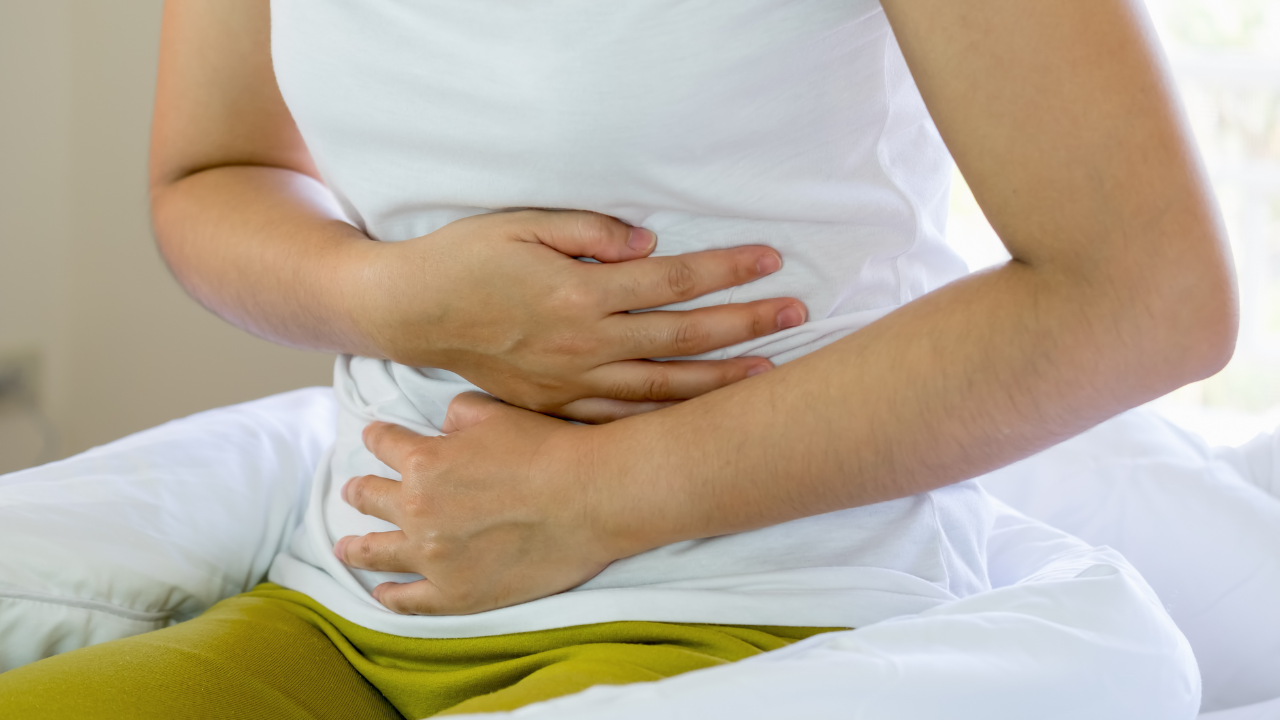
THE ARCHITECTURE OF INTERNAL WELLNESS AND THE SCIENCE OF GUT HEALTH
The human body is an intricate network of systems working in constant harmony to maintain a state of balance known as homeostasis. Among these systems, the digestive tract has long been viewed as a simple tube responsible for the mechanical and chemical breakdown of food. However, modern medical science has shifted this perspective dramatically. We now understand that the gut is a sophisticated ecosystem, often referred to as the second brain, which plays a fundamental role in nearly every aspect of human health, from immune function and metabolic regulation to mental clarity and emotional stability. Understanding gut health requires a deep dive into the complex world of the microbiome, the neurological connections between the stomach and the brain, and the lifestyle choices that either support or undermine this delicate biological frontier.
Supports a healthy
balance of gut flora*
Ozelyt CS 20b is a premium daily probiotic designed to support microbiome balance and help you feel lighter, more energized, and confident from the inside out.
- Supports healthy gut flora balance*
- Helps promote digestive comfort & regularity*
- Designed for daily microbiome support

THE MICROBIOME AS A LIVING ORGANISM
At the heart of gut health lies the microbiome, a vast community of trillions of microorganisms including bacteria, fungi, viruses, and protozoa that reside primarily in the large intestine. These microbes are not mere passengers; they are active participants in our survival. A healthy microbiome is characterized by diversity and richness. When a wide variety of beneficial bacterial species thrive, they perform essential tasks such as synthesizing vitamins like B12 and K, fermenting dietary fibers into short-chain fatty acids, and protecting the intestinal lining from pathogens. Short-chain fatty acids, particularly butyrate, serve as the primary energy source for the cells lining the colon and play a critical role in reducing inflammation throughout the body. When the balance of these microorganisms is disrupted, a state called dysbiosis occurs. This imbalance can lead to a cascade of health issues, including systemic inflammation, digestive distress, and a weakened immune response.
THE GUT BRAIN AXIS AND MENTAL WELLBEING
One of the most fascinating developments in recent biological research is the discovery of the gut-brain axis. This bidirectional communication system links the central nervous system with the enteric nervous system through the vagus nerve and various biochemical signaling pathways. It is a constant conversation where the state of the gut influences the brain and vice versa. Remarkably, a significant portion of the body’s neurotransmitters is produced within the digestive tract. For instance, approximately ninety percent of the body’s serotonin, a hormone responsible for regulating mood, sleep, and appetite, is synthesized by cells in the gut. This explains why digestive issues often coincide with anxiety, depression, or cognitive fog. A healthy gut environment fosters the production of these neurochemicals, contributing to emotional resilience and mental sharpness. Conversely, chronic stress can alter the composition of the gut flora, creating a feedback loop that exacerbates psychological distress.
IMMUNE SYSTEM INTEGRATION AND THE INTESTINAL BARRIER
The gut serves as the primary interface between the internal environment of the body and the external world. Because of this, it is home to roughly seventy to eighty percent of the entire immune system. The gut-associated lymphoid tissue acts as a vigilant guardian, distinguishing between harmless nutrients and potentially dangerous invaders. The integrity of the intestinal barrier is paramount to this process. This barrier is composed of a single layer of epithelial cells held together by tight junctions. When these junctions remain firm, they prevent undigested food particles, toxins, and bacteria from leaking into the bloodstream. However, factors such as poor diet, chronic stress, and certain medications can cause these junctions to loosen, a condition often described as increased intestinal permeability. When foreign substances bypass this barrier, the immune system goes into a state of high alert, triggering chronic inflammation that can eventually lead to autoimmune conditions and metabolic disorders.
THE IMPACT OF MODERN DIET AND PROCESSED FOODS
The modern Western diet, characterized by high intakes of refined sugars, artificial additives, and ultra-processed ingredients, is perhaps the greatest threat to gut health. These substances lack the fiber necessary to feed beneficial bacteria and often promote the overgrowth of harmful species. Refined sugars, in particular, can cause rapid fluctuations in blood glucose and fuel the growth of yeast and pathogenic bacteria. Furthermore, many processed foods contain emulsifiers and artificial sweeteners that have been shown in clinical studies to alter the microbial landscape and erode the protective mucus layer of the intestine. The transition away from whole, unprocessed foods toward convenient, shelf-stable products has resulted in a significant loss of microbial diversity in modern populations compared to our ancestors.
STRATEGIES FOR OPTIMIZING MICROBIAL DIVERSITY
Improving gut health is a multifaceted endeavor that begins with nutritional intervention. The most effective way to support a thriving microbiome is through the consumption of a wide variety of plant-based foods. Fiber is the preferred fuel for beneficial microbes. By incorporating diverse fruits, vegetables, legumes, whole grains, nuts, and seeds, individuals can provide the necessary prebiotics that allow helpful bacteria to flourish. Beyond fiber, fermented foods such as yogurt, kefir, sauerkraut, kimchi, and miso introduce live beneficial cultures directly into the digestive system. These probiotics help to reinforce the existing microbial community and can improve digestion and nutrient absorption. It is also essential to stay hydrated, as water is necessary for the mucosal lining of the intestines and the smooth passage of waste through the digestive tract.
LIFESTYLE FACTORS BEYOND NUTRITION
While diet is a cornerstone of gut health, it does not exist in a vacuum. Other lifestyle factors play a significant role in maintaining the internal ecosystem. Physical activity has been shown to increase the diversity of the microbiome and improve the transit time of food through the system. Sleep is another critical pillar; the microbiome follows its own circadian rhythm, and disruptions in sleep patterns can lead to microbial imbalances. Furthermore, the management of chronic stress is vital. High levels of cortisol can increase gut permeability and alter the secretion of digestive enzymes. Practices such as meditation, deep breathing exercises, and consistent movement help to soothe the nervous system and maintain the structural integrity of the gut.
THE ROLE OF ANTIBIOTICS AND MEDICATION
Medical interventions, while often necessary and life-saving, can have unintended consequences for the gut. Antibiotics are designed to eliminate harmful bacteria, but they are frequently non-selective, meaning they also wipe out vast populations of beneficial microbes. A single course of broad-spectrum antibiotics can significantly alter the microbiome for months or even years. When antibiotics are necessary, it is often recommended to support the gut with specific probiotic strains and a high-fiber diet to help the ecosystem recover. Similarly, the frequent use of non-steroidal anti-inflammatory drugs and proton pump inhibitors can affect the acidity of the stomach and the health of the intestinal lining. Awareness of these effects allows individuals to work with healthcare providers to minimize damage and focus on restorative practices following medical treatments.
THE FUTURE OF PERSONALIZED GUT HEALTH
As research continues to evolve, the field of personalized nutrition is becoming increasingly focused on the unique composition of an individual’s microbiome. We are moving toward a future where dietary recommendations can be tailored based on a person’s specific microbial profile. Testing technologies now allow individuals to see which bacterial strains they are lacking and which ones are overrepresented. This data-driven approach holds the potential to treat chronic diseases at their source rather than just managing symptoms. By understanding the specific needs of our internal residents, we can make more informed choices that lead to long-term vitality.
CONCLUSION: A LIFELONG COMMITMENT TO INTERNAL HARMONY
In conclusion, gut health is not a temporary trend but a fundamental pillar of human biology. The trillions of microbes residing within us are essential partners in our health, influencing everything from our immune response to our psychological state. Maintaining this complex ecosystem requires a holistic approach that combines a fiber-rich diet, the inclusion of fermented foods, adequate sleep, and effective stress management. By protecting the integrity of the intestinal barrier and fostering a diverse microbial community, we empower our bodies to function at their highest potential. As we continue to uncover the profound connections between the gut and the rest of the body, it becomes clear that nurturing our internal garden is one of the most significant investments we can make for our long-term health and longevity. The path to wellness is paved with the small, daily choices we make to support the microscopic world that sustains us.