

THE SCIENCE AND EFFICACY OF NATURAL WEIGHT LOSS SUPPLEMENTS

The pursuit of an ideal body composition is a journey that millions of individuals embark upon every year. While the foundational pillars of weight management are universally recognized as a balanced diet and regular physical activity, the role of natural supplements has become a focal point for those seeking to optimize their results. The market is saturated with various products promising rapid transformations, yet only a handful are backed by rigorous scientific evidence. Understanding the mechanisms, benefits, and limitations of these substances is crucial for anyone looking to incorporate them into a health regimen. This article explores five natural weight loss supplements that have demonstrated genuine potential in supporting metabolic health and fat reduction.
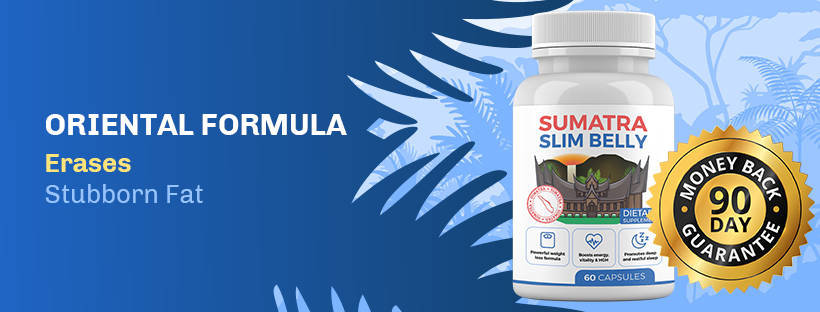
Sumatra Slim Belly Tonic
GREEN TEA EXTRACT AND THE POWER OF CATECHINS
Green tea extract is perhaps one of the most widely researched natural supplements in the world of fitness and nutrition. Derived from the leaves of the Camellia sinensis plant, this extract is rich in potent antioxidants known as catechins. The most significant of these is epigallocatechin gallate, commonly referred to as EGCG. The primary mechanism through which green tea extract aids weight loss is through the process of thermogenesis. This biological pathway involves the production of heat within the body, which in turn increases energy expenditure.
Research indicates that EGCG can inhibit an enzyme that breaks down the hormone norepinephrine. When this enzyme is inhibited, levels of norepinephrine increase, signaling the nervous system to break down fat cells. This process, known as lipolysis, releases fat into the bloodstream where it can be used as energy by muscles and other tissues. Furthermore, green tea extract often contains a modest amount of caffeine, which acts synergistically with EGCG to further boost metabolic rate. Clinical studies have shown that consistent intake of green tea extract can lead to a significant reduction in visceral fat, which is the dangerous fat stored around internal organs. Beyond its metabolic benefits, the high antioxidant content provides cellular protection against oxidative stress, making it a multifaceted addition to a wellness routine.
GLUCOMANNAN THE DIETARY FIBER FOR SATIETY
One of the greatest hurdles in any weight loss journey is the management of hunger and cravings. This is where glucomannan, a natural water-soluble dietary fiber, proves to be exceptionally useful. Extracted from the roots of the elephant yam, also known as konjac, glucomannan has a remarkable ability to absorb water. In fact, it can absorb up to fifty times its weight in liquid, turning into a gel-like substance within the stomach.
When consumed before meals, glucomannan occupies space in the digestive tract, which promotes a feeling of fullness or satiety. This mechanical effect leads to a natural reduction in calorie intake without the psychological stress of restrictive portion control. Moreover, as a fermentable fiber, glucomannan serves as a prebiotic, feeding the beneficial bacteria in the gut. Emerging science suggests that a healthy gut microbiome plays a pivotal role in regulating weight and metabolic function. By slowing the absorption of sugar and cholesterol in the intestines, glucomannan also helps maintain stable blood glucose levels, preventing the insulin spikes that often lead to fat storage. It is important to note that for glucomannan to be effective, it must be taken with ample water to ensure it reaches the stomach safely and performs its expansive function.
CAFFEINE AS A METABOLIC STIMULANT
Caffeine is the most consumed psychoactive substance in the world and a staple ingredient in nearly every commercial fat-burning supplement. Naturally found in coffee beans, tea leaves, and cacao, caffeine functions primarily as a central nervous system stimulant. Its role in weight loss is two-fold: it increases metabolic rate and enhances fat oxidation. By blocking adenosine receptors in the brain, caffeine increases the firing of neurons and the release of neurotransmitters like dopamine and norepinephrine, which leads to increased alertness and energy levels.
From a metabolic perspective, caffeine can increase the resting metabolic rate by three to eleven percent, depending on the dosage and individual sensitivity. This means the body burns more calories even at rest. Additionally, caffeine stimulates the breakdown of body fat by increasing blood levels of epinephrine. This hormone travels through the blood to the fat tissues, sending signals to break down fats and release them into the blood. For athletes and fitness enthusiasts, caffeine also offers the benefit of improved physical performance, allowing for more intense workouts which indirectly contributes to greater caloric burn. However, it is essential to approach caffeine consumption with mindfulness, as excessive intake can lead to tolerance, sleep disruption, and increased heart rate. Using it strategically, particularly before exercise, can maximize its fat-burning potential.
CONJUGATED LINOLEIC ACID AND FAT METABOLISM
Conjugated Linoleic Acid, or CLA, is a type of polyunsaturated fatty acid found naturally in the meat and dairy products of ruminant animals such as cows and sheep. While it is technically a trans fat, it is a natural form that differs significantly from the harmful industrial trans fats found in processed foods. CLA has gained popularity as a weight loss supplement due to its purported ability to alter body composition by reducing body fat while potentially increasing lean muscle mass.
The mechanism of CLA involves the modulation of various enzymes related to fat metabolism. Specifically, it is believed to inhibit the activity of lipoprotein lipase, an enzyme responsible for moving fat from the bloodstream into fat cells. By hindering this process, CLA may reduce the amount of fat that the body stores. Simultaneously, some studies suggest that CLA promotes the breakdown of fat within the cells and stimulates the death of fat cells, a process known as apoptosis. While the weight loss effects of CLA may be more modest compared to stimulants, its focus on body composition makes it an attractive option for those looking to tone their physique. Long-term studies have shown that CLA can contribute to a steady, albeit slow, reduction in body fat percentage over several months, provided it is used alongside a healthy lifestyle.
BERBERINE THE MASTER METABOLIC SWITCH
Berberine is a bioactive compound that can be extracted from several different plants, including a group of shrubs called Berberis. Though it has been used in traditional medicine for centuries, modern science has recently uncovered its profound impact on metabolic health, often comparing its efficacy to certain pharmaceutical interventions. The primary way berberine works is by activating an enzyme inside cells called AMP-activated protein kinase, often referred to as a metabolic master switch.
This enzyme plays a critical role in regulating metabolism and energy levels throughout the body. When berberine activates this pathway, it improves insulin sensitivity and enhances the uptake of glucose into the cells. This is particularly beneficial for weight loss because high levels of insulin are often associated with fat storage, especially in the abdominal area. By lowering blood sugar levels and improving the way the body uses insulin, berberine helps create an internal environment that is more conducive to fat burning. Furthermore, berberine has been shown to inhibit the growth of fat cells at the molecular level. It also affects other signaling molecules like leptin, which controls hunger, and adiponectin, which is involved in the breakdown of fatty acids. For individuals struggling with metabolic syndrome or insulin resistance, berberine offers a powerful natural approach to restoring metabolic balance and shedding excess weight.
INTEGRATING SUPPLEMENTS INTO A HOLISTIC LIFESTYLE
While the five supplements mentioned above provide evidence-based benefits, it is imperative to view them as tools rather than total solutions. The term supplement itself implies that these substances are meant to add to a foundation that is already in place. No pill or powder can fully compensate for a diet high in processed sugars or a sedentary lifestyle. The most effective way to utilize these natural aids is to integrate them into a comprehensive plan that includes a caloric deficit, adequate protein intake, and a mix of cardiovascular and resistance training.
Quality and purity are also significant factors when choosing natural supplements. Because the supplement industry is not regulated as strictly as the pharmaceutical industry in many regions, consumers must be diligent. Opting for reputable brands that undergo third-party testing ensures that the product contains the ingredients listed on the label without harmful contaminants. Furthermore, individual biology varies greatly; what works exceptionally well for one person may have a negligible effect on another. Consulting with a healthcare professional before starting any new supplement regimen is always recommended, especially for individuals with underlying health conditions or those taking other medications.
CONCLUSION
Natural weight loss supplements such as green tea extract, glucomannan, caffeine, conjugated linoleic acid, and berberine offer promising avenues for enhancing the bodys ability to burn fat and manage weight. Through diverse mechanisms like increasing thermogenesis, promoting satiety, stimulating the central nervous system, and activating metabolic enzymes, these substances provide a multifaceted approach to weight management. However, the key to lasting success lies in the synergy between these natural aids and a disciplined lifestyle. By understanding the science behind these supplements and using them responsibly, individuals can empower their journey toward a healthier, leaner version of themselves.