

Which Supplement Is Right for You?
The process of selecting the right nutritional supplement has evolved from a simple trip to the local pharmacy into a complex journey through a multi-billion dollar industry. Consumers today are faced with an overwhelming volume of information, marketing claims, and product varieties that promise everything from enhanced cognitive function to rapid muscle recovery. Navigating this landscape requires a strategic approach rooted in biological reality rather than commercial trends. To determine which supplement is right for you, it is essential to understand your unique physiological requirements, the current state of your diet, and the specific health outcomes you wish to achieve.
Advanced Amino Formula
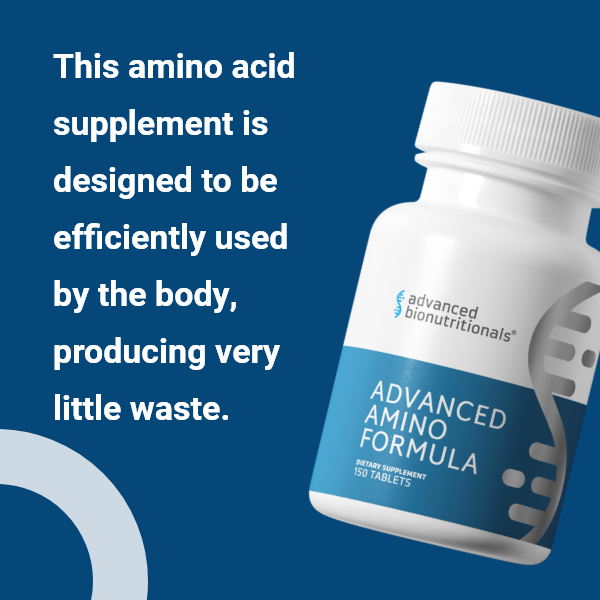
The foundation of any supplementation strategy must begin with the recognition that these products are intended to be additions to a healthy lifestyle, not replacements for it. The term “supplement” itself implies that something is being added to a whole. If the core of your nutrition is lacking in essential macronutrients and micronutrients, no amount of encapsulated powder will provide a magic fix. Therefore, the first step in your journey is a thorough audit of your daily dietary habits. Many people find that they can meet their nutritional needs by simply diversifying their intake of whole foods, vegetables, lean proteins, and healthy fats. However, modern soil depletion, high levels of daily stress, and the prevalence of processed foods mean that even a well-intentioned diet can sometimes leave gaps.
One of the most common starting points for general health is the multivitamin. While often dismissed as providing expensive urine, a high-quality multivitamin serves as a biological insurance policy. It covers the basic spectrum of vitamins and minerals that act as cofactors for thousands of enzymatic reactions in the body. For an office worker who spends most of the day indoors, vitamin D supplementation often becomes a priority. Vitamin D is technically a prohormone synthesized by the skin upon exposure to ultraviolet rays. Since many populations live in northern latitudes or spend their daylight hours under artificial lighting, deficiencies are remarkably common. Vitamin D is critical for bone density, immune modulation, and mood regulation. Without adequate levels, the body may struggle to absorb calcium or maintain a robust defense against pathogens.
Magnesium is another foundational mineral that is frequently missing from the modern diet. It is involved in over three hundred biochemical reactions, including muscle and nerve function, blood glucose control, and blood pressure regulation. Many individuals who suffer from poor sleep quality or frequent muscle cramps find relief through magnesium glycinate or magnesium citrate. The choice of the specific form of the mineral is crucial, as different compounds have varying levels of bioavailability and different effects on the digestive system. For instance, magnesium oxide is poorly absorbed and often acts as a laxative, whereas magnesium glycinate is highly bioavailable and known for its calming properties on the nervous system.
For those focused on physical performance and body composition, the world of sports nutrition offers a different set of tools. Protein supplementation is perhaps the most researched area in this category. Whether derived from whey, casein, or plant-based sources like pea and rice, protein powders provide a convenient way to meet the elevated amino acid requirements of an active individual. Beyond protein, creatine monohydrate stands out as one of the most effective and safe supplements on the market. It works by increasing the stores of phosphocreatine in the muscles, allowing for the rapid regeneration of adenosine triphosphate, which is the primary energy currency of cells during high-intensity exercise. The benefits of creatine extend beyond the gym, with emerging research suggesting its role in neuroprotection and cognitive health.
Cognitive enhancement and stress management have become significant drivers of supplement sales in recent years. This category often includes nootropics and adaptogens. Adaptogens are a unique class of herbal substances, such as ashwagandha and rhodiola rosea, that help the body resist various types of stressors, whether physical, chemical, or biological. Ashwagandha, in particular, has gained popularity for its ability to lower cortisol levels and improve the subjective experience of anxiety. In the realm of nootropics, substances like L theanine, often found in green tea, are used to promote a state of relaxed alertness, especially when paired with caffeine. This combination mitigates the jittery side effects of caffeine while sharpening focus.
The health of the gut microbiome is another critical frontier. Probiotics and prebiotics have changed how we view the relationship between bacteria and human health. The gut is often referred to as the second brain due to the vast network of neurons and the production of neurotransmitters like serotonin that occur within the digestive tract. Choosing the right probiotic involves looking for specific strains that have been clinically studied for particular conditions, such as Lactobacillus rhamnosus for digestive regularity or Bifidobacterium longum for immune support. It is not merely about the number of colony-forming units but about the diversity and the viability of the strains by the time they reach the lower intestine.
Crucially, the efficacy of any supplement is dictated by its quality and purity. The supplement industry is not regulated with the same level of individual product scrutiny as the pharmaceutical industry. This means that the burden of verification often falls on the consumer. Savvy shoppers look for third-party testing seals from organizations like NSF International, Informed Choice, or USP. These certifications ensure that what is listed on the label is actually inside the bottle and that the product is free from harmful contaminants like heavy metals or banned substances. Furthermore, bioavailability is a key concept to master. Some nutrients require fat for absorption, such as vitamins A, D, E, and K, while others, like turmeric, require the presence of black pepper extract to be effectively utilized by the body.
The most sophisticated way to determine which supplement is right for you is through objective testing. Instead of guessing based on symptoms or marketing trends, a comprehensive blood panel can reveal precise deficiencies. Checking levels of ferritin, vitamin B12, vitamin D, and various minerals provides a roadmap for targeted supplementation. This data-driven approach prevents the waste of money on unnecessary products and protects the body from the potential toxicity of over-supplementing certain fat-soluble vitamins or minerals that can accumulate to dangerous levels.
Age and life stage also play a defining role in nutritional needs. As individuals age, the ability to absorb certain nutrients, such as vitamin B12, naturally declines due to changes in stomach acid production. Women of childbearing age have higher requirements for iron and folic acid, especially during pregnancy, to prevent neural tube defects. Seniors may need to focus more on bone-supporting nutrients like calcium and vitamin K2, which helps direct calcium into the bones rather than allowing it to deposit in the arteries. Each person is a unique biological experiment, and what works for a professional athlete may be entirely inappropriate for a sedentary elderly person.
Sustainability and consistency are the final pieces of the puzzle. The best supplement for you is one that you can take consistently as part of a structured routine. It should be integrated into a broader framework of wellness that includes adequate sleep, regular movement, and stress reduction. If a supplement regimen is too complex or too expensive to maintain, it will likely fail to provide long-term benefits. Starting with one or two targeted products based on professional advice or personal health data is usually more effective than starting a dozen different pills simultaneously, which makes it impossible to determine which one is actually having an effect.
In conclusion, the right supplement for you is determined by a synthesis of dietary analysis, personal health goals, and objective biological data. By moving away from the hype of the latest wellness trends and focusing on high-quality, third-party-verified products that address specific gaps in your nutrition, you can use supplementation as a powerful tool for health optimization. Always remember that the goal is to support the natural functions of your body. Consultation with a healthcare provider or a registered dietitian remains the gold standard for ensuring that your choices are safe, effective, and tailored to your specific physiological needs.