

10 Proven Ways to Boost Your Metabolism Naturally (Backed by Science)

The human metabolism is often discussed as if it were a fixed engine, something inherited at birth that dictates whether an individual will be lean or prone to weight gain throughout their life. While genetics certainly play a foundational role in determining the basal metabolic rate, the science of physiology reveals a much more dynamic reality. Metabolism is the sum of every chemical reaction in the body that maintains life, from the simple act of breathing to the complex repair of cellular structures. When people speak of boosting their metabolism, they are generally referring to increasing the rate at which the body burns calories for energy. Fortunately, rigorous scientific research has identified several natural and sustainable methods to influence these processes. By understanding the underlying biological mechanisms, anyone can implement lifestyle changes that shift their metabolic needle in a positive direction.
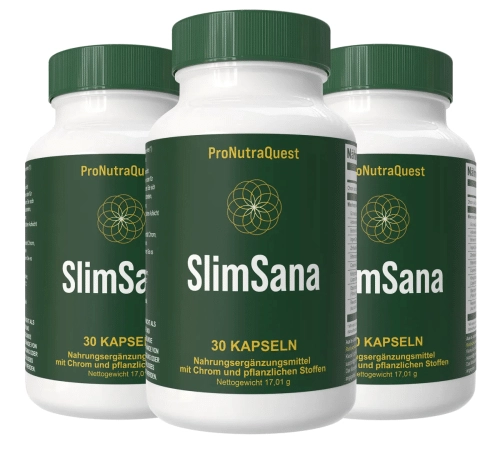
SlimSana Weight Loss
Dietary Supplements – Weight Loss
One of the most effective ways to elevate the metabolic rate is through the strategic consumption of protein. This phenomenon is known as the thermic effect of food, which describes the energy the body requires to digest, absorb, and process nutrients. Not all macronutrients are created equal in this regard. While fats and carbohydrates require a relatively small amount of energy to process, protein demands significantly more. Research indicates that protein can increase the metabolic rate by fifteen to thirty percent, compared to only five to ten percent for carbohydrates and zero to three percent for fats. Beyond the immediate caloric burn of digestion, protein is also essential for preserving muscle mass. When an individual is in a calorie deficit, the body often attempts to break down muscle tissue for energy. A high protein intake signals the body to maintain this precious, metabolically active tissue, thereby preventing the metabolic slowdown often associated with weight loss.
Physical activity is another pillar of metabolic health, but the type of activity chosen makes a substantial difference. Resistance training, such as lifting weights or performing bodyweight exercises, is perhaps the most powerful tool for long term metabolic enhancement. Muscle tissue is far more metabolically expensive to maintain than fat tissue. Even at rest, a person with a higher percentage of lean muscle will burn more calories than someone of the same weight with higher body fat. This resting metabolic rate accounts for the vast majority of daily energy expenditure. By engaging in consistent strength training, individuals can effectively turn their bodies into more efficient calorie burning machines. Furthermore, the process of repairing muscle fibers after a strenuous workout continues to elevate the metabolic rate for hours or even days after the exercise has concluded.
For those looking to maximize their time during cardiovascular workouts, high intensity interval training offers a scientifically proven advantage. This method involves short bursts of intense activity followed by brief recovery periods. The primary benefit of this approach is the creation of an oxygen debt, known in scientific circles as excess post exercise oxygen consumption. After a high intensity session, the body must work much harder to return to its resting state, replenish oxygen stores, and clear metabolic byproducts. This results in an elevated metabolic rate that can last for significant periods after the person has left the gym. This afterburn effect makes high intensity intervals a more time efficient way to boost metabolism compared to steady state cardio, such as walking or jogging at a moderate pace for long durations.
Hydration is a frequently overlooked component of metabolic efficiency. The body requires water for almost every chemical reaction it performs, and even mild dehydration can cause these processes to stall. Drinking water has been shown to temporarily increase metabolism, a process called water induced thermogenesis. Some studies have demonstrated that drinking half a liter of water can increase resting metabolism by up to thirty percent for about an hour. Interestingly, the effect is even more pronounced when the water is cold. Because the body must maintain a core temperature of approximately ninety eight degrees Fahrenheit, it must expend energy to heat the cold water to match its internal environment. While the caloric cost of heating water is modest, when practiced consistently throughout the day, it contributes to a higher total energy expenditure.
Sleep is often the missing piece of the puzzle for those struggling with metabolic issues. The relationship between sleep and metabolism is governed by a delicate balance of hormones. When a person is sleep deprived, the body produces more ghrelin, the hormone responsible for hunger, and less leptin, the hormone that signals fullness. This hormonal imbalance often leads to overeating and a preference for high calorie, sugary foods. On a deeper level, lack of sleep affects how the body processes glucose, leading to insulin resistance. When cells become less responsive to insulin, the body struggles to clear sugar from the bloodstream, which can lead to fat storage and a sluggish metabolic rate. Prioritizing seven to nine hours of quality sleep each night is not merely about rest; it is a critical metabolic intervention that ensures the body is functioning at its peak chemical efficiency.
The inclusion of certain spices and compounds in the diet can provide a small but measurable metabolic spark. Capsaicin, the primary active component in chili peppers, has been studied extensively for its thermogenic properties. When consumed, capsaicin can stimulate the nervous system and increase body temperature, leading to a temporary boost in the rate at which the body burns fat. While adding hot peppers to a meal will not offset a poor lifestyle, the cumulative effect of using spices can be a helpful adjunct to a healthy diet. Similarly, some studies suggest that the regular consumption of spicy foods can promote a feeling of satiety, potentially reducing overall caloric intake throughout the day.
Beverages such as green tea and oolong tea offer unique metabolic benefits beyond their hydration status. These teas contain a combination of caffeine and plant compounds known as catechins, specifically epigallocatechin gallate. These substances work synergistically to enhance fat oxidation, which is the process of breaking down fat to be used as fuel. Research has shown that these teas can help shift the body from burning carbohydrates to burning stored fat more effectively, particularly during periods of exercise. While the metabolic boost provided by tea is relatively modest, it is a natural, calorie free way to support an active metabolism and provide the body with potent antioxidants that combat cellular stress.
In the modern world, sedentary behavior has become a significant barrier to metabolic health. Many people spend the majority of their waking hours sitting at desks, in cars, or on couches. This lack of movement suppresses non exercise activity thermogenesis, which encompasses all the energy expended during activities that are not formal exercise. Simple changes, such as choosing to stand instead of sit, can have a profound impact over time. Standing burns more calories than sitting because it requires the activation of postural muscles and results in more frequent small movements. Some research suggests that an afternoon of standing at a desk can burn significantly more calories than sitting for the same duration. Incorporating more movement into the daily routine, such as taking the stairs or walking while on the phone, is an essential strategy for maintaining a high metabolic rate.
Coffee is another widely consumed beverage with clear metabolic advantages. The caffeine in coffee acts as a central nervous system stimulant, which can increase the resting metabolic rate by three to eleven percent. Caffeine works by stimulating the release of epinephrine, a hormone that travels through the blood to the fat tissues, signaling them to break down fats and release them into the blood for use as energy. Furthermore, caffeine can improve exercise performance by reducing the perception of effort, allowing individuals to work out harder and longer, which in turn leads to more calories burned. It is important, however, to consume coffee without excessive added sugars and creams, as these can easily negate the metabolic benefits provided by the caffeine itself.
Finally, ensuring the intake of essential minerals like iron, zinc, and selenium is vital for the health of the thyroid gland. The thyroid is the master regulator of the metabolism, producing hormones that dictate how quickly the body processes energy. If the thyroid does not receive the necessary nutrients, it may produce fewer hormones, leading to a condition known as hypothyroidism, which significantly slows the metabolic rate. Iron is necessary for the transport of oxygen to the muscles and organs, while selenium and zinc are required for the production and activation of thyroid hormones. A diet rich in whole foods, including lean meats, seafood, nuts, and seeds, provides the foundational elements needed for the thyroid to maintain a healthy metabolic baseline.
In conclusion, while every individual has a unique metabolic starting point, the rate at which the body processes energy is far from static. By focusing on high protein intake, engaging in both resistance and high intensity training, staying hydrated, and prioritizing sleep, one can create a physiological environment that favors energy expenditure over fat storage. Small additions like green tea, spicy foods, and coffee, combined with a reduction in sedentary time and a focus on micronutrient density, provide a comprehensive framework for metabolic optimization. These changes do not require extreme measures or unsustainable habits. Instead, they represent a return to biological fundamentals that support the body in its natural quest for balance and vitality. By adopting these science backed strategies, anyone can naturally and effectively boost their metabolism for long term health and well being.