
Best Weight Loss Supplements in 2026: What Actually Works?

The landscape of metabolic health and weight management has undergone a radical transformation by the year 2026. We have moved far beyond the era of simple calorie counting and generic stimulants that offered little more than a jittery heart rate and temporary water loss. Today, the focus has shifted toward biological precision, metabolic flexibility, and the optimization of cellular function. The best weight loss supplements in 2026 are those that work in harmony with the body’s endocrine system, microbiome, and mitochondrial health. To understand what actually works in this modern era, we must examine the science of nutrient signaling and the shift toward evidence-based supplementation.
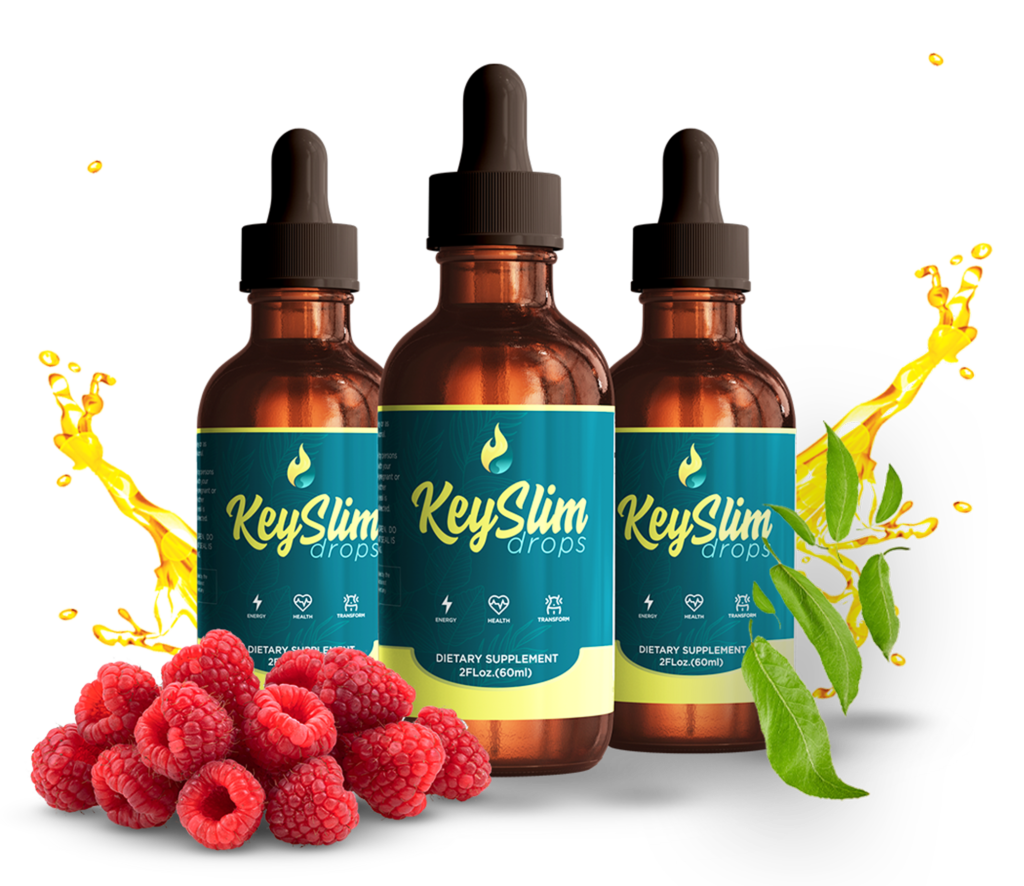
UNLOCK YOUR TRUE SELF
Eat Less. Burn More. Look Amazing
24-in-1 key fat-burning ingredients
Designed for superior and long-lasting results
Excellent energy & metabolism optimizer
For decades, the weight loss industry was dominated by thermogenic products high in synthetic caffeine and ephedrine-like compounds. While these substances can increase energy expenditure slightly, they often come with significant side effects and do nothing to address the underlying reasons for weight gain. In 2026, the leading edge of supplementation involves compounds that act as metabolic mimetics or signaling molecules. These supplements aim to replicate the physiological benefits of exercise or fasting at a molecular level, helping the body switch from a state of fat storage to a state of fat oxidation more efficiently.
One of the most significant breakthroughs in the current market involves the rise of GLP-1 receptor agonist mimetics. With the massive success of pharmaceutical interventions like semaglutide in previous years, the supplement industry has focused on finding natural compounds that can stimulate the body’s own production of glucagon-like peptide-1. This hormone is crucial for regulating appetite and slowing gastric emptying, which leads to increased feelings of fullness. Research has highlighted berberine as a primary candidate in this category. Berberine is a bioactive compound found in several plants that activates an enzyme called adenosine monophosphate-activated protein kinase, often described as a metabolic master switch. By activating this pathway, berberine improves insulin sensitivity and helps the body process glucose more effectively, which is a foundational requirement for sustainable fat loss.
Beyond insulin regulation, the role of the gut microbiome has become central to any discussion about weight management in 2026. We now know that the composition of bacteria in the digestive tract plays a decisive role in how many calories we absorb and how our body stores fat. Supplements containing specific strains of beneficial bacteria, such as Akkermansia muciniphila, have become gold standards for metabolic health. This particular microbe strengthens the gut barrier and has been linked to lower levels of systemic inflammation and improved metabolic profiles. Unlike the generic probiotics of the past, these targeted postbiotics and specific bacterial strains are backed by clinical trials demonstrating their ability to influence host metabolism.
Another major area of advancement is mitochondrial optimization. The mitochondria are the powerhouses of our cells, responsible for converting food into energy. As we age or remain sedentary, our mitochondrial function can decline, making it harder to burn fat. Compounds such as Urolithin A have gained prominence for their ability to trigger mitophagy, a process where the body clears out damaged mitochondria and replaces them with healthy, high-functioning ones. By improving mitochondrial density and efficiency, supplements like Urolithin A and Coenzyme Q10 help ensure that the body has the cellular machinery required to oxidize fatty acids during both rest and activity.
In the realm of appetite control, the focus has shifted from blunt stimulants to fibers and peptides that communicate with the brain. Glucomannan and psyllium husk remain relevant, but they have been joined by more sophisticated fiber complexes designed to expand at specific rates within the stomach and interact with satiety receptors in the small intestine. Furthermore, the use of exogenous ketones has evolved. While early versions were often unpalatable and poorly absorbed, 2026 technology has delivered ketone esters and salts that can provide a non-carbohydrate fuel source, potentially reducing cravings and improving mental clarity during periods of caloric restriction.
Safety and transparency have also reached new heights. Consumers in 2026 are more informed than ever and demand rigorous third-party testing. The most successful brands now provide full batch transparency, allowing users to scan a code and see the exact purity and potency of the ingredients. This has effectively marginalized the dangerous proprietary blends that once plagued the industry. We are seeing a move toward clean labels where every ingredient is justified by peer-reviewed research and is present in a dosage that matches the clinical evidence.
It is also vital to discuss the role of polyphenols and plant-based thermogenics that actually provide results. Green tea extract, specifically high concentrations of epigallocatechin gallate, continues to be a staple due to its well-documented ability to inhibit enzymes that break down norepinephrine, a hormone that promotes fat burning. However, in 2026, this is often paired with compounds like L-theanine to mitigate any stimulatory side effects, or with quercetin to enhance bioavailability. These combinations show that the industry is no longer just looking for a single magic ingredient but is instead focused on synergistic formulas that address multiple pathways of fat loss.
The importance of sleep and stress management cannot be overlooked when discussing weight loss supplements. Elevated cortisol levels are a primary driver of visceral fat accumulation. Consequently, adaptogens such as ashwagandha and Rhodiola rosea have become integral parts of weight loss protocols. By helping the body manage stress and improving sleep quality, these supplements indirectly support fat loss by optimizing the hormonal environment. A body that is chronically stressed and sleep-deprived will resist weight loss efforts, regardless of how many thermogenics are consumed. Therefore, the best regimens in 2026 include components that address the nervous system.
Personalization is the final piece of the puzzle. We are seeing the emergence of supplements tailored to an individual’s genetic makeup or blood markers. DNA testing and continuous glucose monitoring data are being used to recommend specific supplements that address an individual’s unique metabolic hurdles. For some, the primary issue might be carbohydrate metabolism, making alpha-lipoic acid or chromium picolinate the priority. For others, it might be a slow resting metabolic rate, suggesting a greater need for thyroid-supporting nutrients like iodine and selenium.
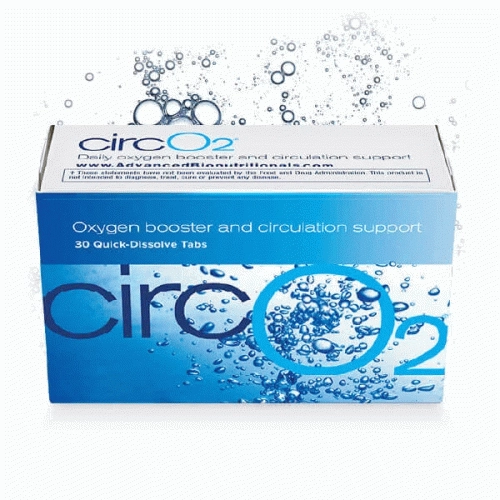
Nitric Oxide Levels
Jump 200% Higher
In Just 20 Minutes.
Boosts your energy… sharpens
memory… increases
stamina…enhances sexual
performance…and helps lower blood
pressure
While the efficacy of supplements has vastly improved, it is crucial to maintain a realistic perspective. Even in 2026, supplements are intended to be an addition to, not a replacement for, a healthy lifestyle. The most effective results are consistently seen in individuals who combine these evidence-based compounds with a nutrient-dense diet, resistance training, and adequate recovery. Supplements can provide a metabolic edge, enhance fat oxidation by a significant percentage, and make the psychological challenge of dieting easier, but they function best when the foundational pillars of health are in place.
As we look toward the future, the integration of artificial intelligence in supplement formulation and the discovery of new bioactive peptides will likely continue to refine what we consider to be the best weight loss tools. For now, the combination of metabolic mimetics, gut health modulators, and mitochondrial enhancers represents the pinnacle of what actually works. By moving away from the high-stimulant powders of the past and toward bio-optimized formulas, we are seeing a more sustainable and healthy approach to weight management that prioritizes long-term metabolic vitality over short-term scale changes.
In conclusion, the best weight loss supplements in 2026 are characterized by their ability to target specific metabolic pathways with precision. From the glucose-regulating power of berberine to the gut-strengthening benefits of Akkermansia and the cellular revitalization offered by Urolithin A, the modern consumer has access to a toolkit that is more effective and safer than ever before. Success in this area requires a commitment to quality, an understanding of ones own unique biological needs, and the discipline to maintain the lifestyle habits that allow these supplements to perform their best. The future of weight loss is not found in a single pill, but in a sophisticated, science-based approach to total body optimization.