

How to Burn Fat Without Exercise
The pursuit of weight loss is frequently depicted as an arduous journey confined to the walls of a gymnasium or the pavement of a local running track. However, a deep dive into human physiology reveals that fat loss is fundamentally a biochemical process rather than a purely mechanical one. While physical activity offers numerous cardiovascular and muscular benefits, the core mechanics of reducing adipose tissue rely heavily on metabolic efficiency, hormonal balance, and nutritional precision. Achieving a leaner physique without the intervention of formal exercise requires a sophisticated understanding of how the body processes energy, regulates hunger, and manages its internal environment.
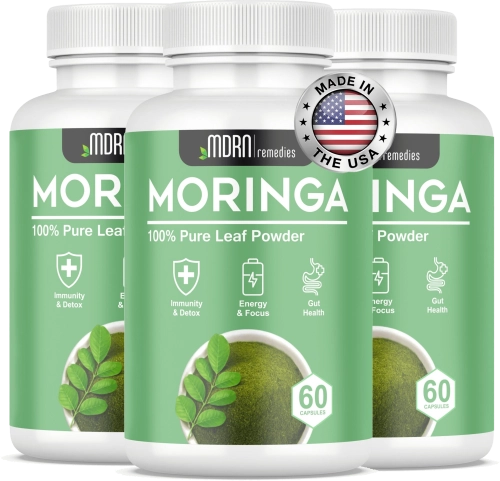
Pure Moringa Powder Capsules.
To understand how fat is burned without exercise, one must first appreciate the concept of the basal metabolic rate. This is the amount of energy the body requires to maintain basic physiological functions such as breathing, circulating blood, and cellular repair while at complete rest. For the average individual, this metabolic baseline accounts for sixty to seventy-five percent of total daily energy expenditure. By optimizing this baseline, it is possible to create a caloric deficit and encourage the body to utilize its stored energy reserves, commonly known as fat.
The most significant lever in non-exercise fat loss is nutrition, but not simply in the context of eating less. The composition of macronutrients plays a vital role in how the body partitions energy. Protein, for instance, possesses a high thermic effect of food. This means the body must expend a significant amount of energy just to digest, absorb, and process the nutrients found in protein-rich sources. By increasing protein intake, an individual can essentially boost their metabolic rate through the simple act of digestion. Furthermore, protein provides a high degree of satiety, which naturally reduces the likelihood of overconsumption.
Equally important is the management of insulin, the primary storage hormone in the human body. When we consume carbohydrates, especially refined sugars and processed flours, blood glucose levels rise, triggering a release of insulin. This hormone instructs cells to take up glucose for energy or to store it as fat. In an environment where insulin levels remain chronically elevated, the process of lipolysis, or the breakdown of fat, is effectively inhibited. To burn fat without exercise, one must focus on maintaining low and stable insulin levels. This can be achieved by prioritizing fibrous vegetables, healthy fats, and complex carbohydrates with a low glycemic index. When insulin is low, the body is biochemically permitted to access its own fat stores for fuel.
Hydration is another cornerstone of metabolic health that is often overlooked. Water is an essential component in the process of lipolysis. Without adequate hydration, the body cannot efficiently break down stored triglycerides into usable energy. Furthermore, some studies suggest that drinking cold water can induce a temporary increase in thermogenesis as the body works to heat the liquid to internal body temperature. Beyond the chemical level, drinking water before meals helps to expand the stomach, sending signals of fullness to the brain and preventing caloric surplus.
Sleep is perhaps the most underrated tool in the fat loss arsenal. During deep sleep, the body undergoes significant hormonal regulation. Lack of sleep disrupts the balance between ghrelin, the hormone that signals hunger, and leptin, the hormone that signals fullness. A sleep-deprived individual will typically experience heightened cravings for high-calorie, sugary foods and a reduced ability to feel satisfied after eating. Additionally, chronic sleep deprivation leads to elevated levels of cortisol, a stress hormone that encourages the accumulation of visceral fat around the midsection. Prioritizing seven to nine hours of quality sleep each night is essential for maintaining the hormonal environment necessary for fat oxidation.
While formal exercise may be absent, non-exercise activity thermogenesis, or NEAT, remains a powerful factor. This refers to the energy expended for everything we do that is not sleeping, eating, or sports-like exercise. It includes walking to the car, standing, fidgeting, and even maintaining posture. By making small lifestyle adjustments, such as using a standing desk, choosing the stairs over an elevator, or engaging in light household chores, an individual can significantly increase their daily energy output without ever stepping foot in a gym. These cumulative movements can often result in a higher caloric burn over the course of a day than a single hour of intense exercise followed by a sedentary lifestyle.
Temperature regulation also offers a unique pathway for fat loss. The human body contains two main types of fat: white adipose tissue and brown adipose tissue. While white fat stores energy, brown fat is thermogenic, meaning it burns calories to generate heat. Exposure to cooler temperatures can activate brown fat, leading to an increase in metabolic rate. This does not require extreme discomfort; simply lowering the thermostat by a few degrees or taking cool showers can stimulate the body to work harder to maintain its core temperature, thereby burning more energy.
Intermittent fasting has gained popularity as an effective method for fat loss without requiring a change in physical activity levels. By restricting the window of time in which food is consumed, the body spends more time in a fasted state. During this period, insulin levels drop significantly, and the body shifts from burning glucose to burning stored fat. Fasting also promotes autophagy, a cellular cleaning process that can improve overall metabolic health and efficiency. This approach focuses on the timing of consumption rather than just the content, providing a powerful framework for weight management.
The health of the gut microbiome is another emerging area of interest in the study of weight loss. The trillions of bacteria living in the digestive tract play a crucial role in how calories are absorbed and how hunger signals are processed. A diet high in diverse fibers and fermented foods can cultivate a microbiome that supports a lean phenotype. Some studies indicate that individuals with a more diverse gut flora are less likely to struggle with weight gain, as certain bacteria can actually influence the host’s metabolism and fat storage patterns.
Mindful eating practices also contribute to fat loss by addressing the psychological triggers of overeating. In a fast-paced world, many people consume food while distracted, leading to a disconnect between the body and the brain. By eating slowly, chewing thoroughly, and paying attention to the sensory experience of the meal, individuals allow their satiety hormones enough time to signal the brain that they are full. This prevents the common mistake of eating past the point of necessity.
In conclusion, burning fat without exercise is an entirely achievable goal when one focuses on the underlying biological and environmental factors that govern metabolism. By prioritizing high-quality nutrition, managing hormonal signals through sleep and stress reduction, and increasing non-exercise movement, it is possible to reshape the body. The journey to fat loss is not solely defined by the intensity of a workout but rather by the consistency of healthy choices that support the body’s natural ability to maintain a state of balance and efficiency. A holistic approach that respects the complexity of human physiology will always yield more sustainable results than a focus on calories alone.