

Best Ingredients for Metabolism Boost
Understanding the complex mechanisms of human metabolism is essential for anyone seeking to optimize their health and manage their weight effectively. Metabolism is not a single process but a collection of chemical reactions that convert the food and drinks we consume into the energy required to fuel every action from breathing to strenuous physical exercise. While genetics and age play significant roles in determining our metabolic rate, certain dietary choices can provide a meaningful boost to this internal furnace. By incorporating specific ingredients known for their thermogenic properties, ability to improve insulin sensitivity, or capacity to support thyroid function, individuals can enhance their metabolic efficiency.
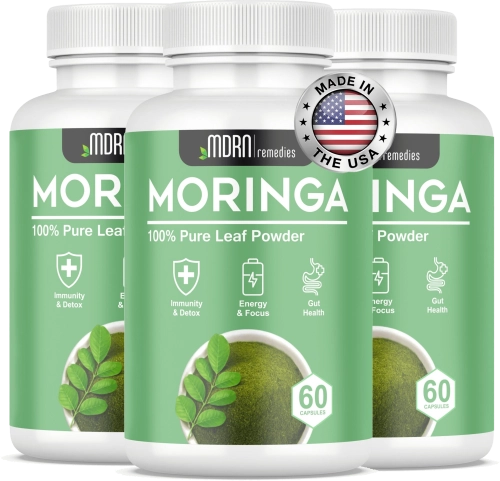
Pure Moringa Powder Capsules.
The thermic effect of food, also known as dietary induced thermogenesis, is the energy required for digestion, absorption, and disposal of ingested nutrients. Some ingredients require significantly more energy to process than others, effectively increasing the calories burned during the hours following a meal. Protein stands at the forefront of this category. Research indicates that protein has the highest thermic effect compared to fats and carbohydrates. While carbohydrates typically require about five to ten percent of their energy value for digestion and fats require zero to three percent, protein necessitates a staggering twenty to thirty percent. This means that if you consume a hundred calories of lean protein, up to thirty of those calories are burned just to process the nutrient. High-protein ingredients like chicken breast, turkey, eggs, and Greek yogurt are therefore fundamental for a metabolic boost.
Beyond basic macronutrients, certain spices contain bioactive compounds that directly stimulate the nervous system. Capsaicin, the primary pungent component of chili peppers, is perhaps the most well-studied metabolic stimulant. When consumed, capsaicin binds to receptors in the mouth and digestive tract, triggering a rise in body temperature and a subsequent increase in calorie expenditure. This process, known as non-shivering thermogenesis, also encourages the body to use stored fat for fuel rather than relying solely on glucose. Furthermore, regular consumption of spicy ingredients may help reduce appetite, providing a dual benefit for weight management. Ginger is another potent spice that operates through similar pathways. It has been shown to increase the thermic effect of food and promote a sense of satiety, which prevents overeating.
The role of beverages in metabolic health cannot be overstated. Green tea is frequently cited as a powerhouse for metabolism because of its high concentration of catechins, specifically epigallocatechin gallate. These antioxidants work in synergy with the small amount of caffeine naturally present in the tea to enhance fat oxidation. Caffeine itself is a well-known metabolic stimulant that increases the levels of epinephrine in the blood. This hormone travels to the fat tissues, signaling them to break down fats and release them into the bloodstream as free fatty acids to be used for energy. Coffee, when consumed without excessive sugars and fats, serves as a significant source of antioxidants and a reliable metabolic spark.
Adequate hydration is also a cornerstone of metabolic efficiency. Water is necessary for every cellular process, including the breakdown of fat. Studies have demonstrated that drinking cold water can induce thermogenesis, as the body must expend energy to warm the water to core body temperature. Even a state of mild dehydration can cause the metabolism to stall, as the body prioritizes survival functions over energy expenditure. Increasing water intake, especially before meals, has been shown to boost metabolic rate by as much as thirty percent for a short period following consumption.
The health of the thyroid gland is another critical factor in determining how fast or slow a person burns calories. The thyroid produces hormones that regulate the metabolic rate of every cell in the body. To function correctly, the thyroid requires specific micronutrients, most notably iodine, selenium, and zinc. Ingredients like seaweed are excellent sources of iodine, while Brazil nuts provide a dense concentration of selenium. Zinc can be found in abundance in oysters, beef, and pumpkin seeds. Ensuring a diet rich in these minerals helps maintain the delicate balance of thyroid hormones, preventing the metabolic slowdown often associated with nutrient deficiencies.
Fiber-rich foods, particularly those containing soluble fiber, play a unique role in metabolic health by influencing the gut microbiome. Pulses such as lentils, beans, and chickpeas are rich in both protein and fiber. These complex carbohydrates take a long time to break down, preventing the rapid insulin spikes that can lead to fat storage. Moreover, the fermentation of fiber by beneficial gut bacteria produces short-chain fatty acids. These compounds have been linked to improved insulin sensitivity and increased fat burning. A healthy gut environment, fostered by fermented ingredients like kimchi, sauerkraut, and kefir, ensures that the body processes nutrients efficiently and maintains a stable metabolic rate.
Apple cider vinegar has gained popularity as a metabolic aid, largely due to its acetic acid content. Acetic acid has been shown to reduce the glycemic index of carbohydrate-rich meals, meaning it slows the release of sugar into the bloodstream. By preventing large insulin spikes, apple cider vinegar helps the body remain in a fat-burning state for longer periods. It also appears to activate certain enzymes that promote fat metabolism in the liver. Incorporating a small amount of vinegar into salad dressings or diluted in water before a meal can provide a subtle but effective metabolic advantage.
Medium chain triglycerides, or MCTs, are a specific type of fat found in coconut oil and dairy products that are metabolized differently than the long chain fats found in most other foods. Instead of being stored as adipose tissue, MCTs are sent directly to the liver, where they are immediately converted into energy or ketones. This rapid conversion provides an instant fuel source for the body and can increase the daily calorie burn. While MCTs are still calorie dense, substituting them for other fats in the diet can shift the body toward a more efficient metabolic profile.
The inclusion of iron-rich ingredients is also vital, especially for women and those following plant-based diets. Iron is a key component of hemoglobin, which carries oxygen to the muscles. If oxygen delivery is compromised due to low iron levels, the body cannot burn fat efficiently, leading to fatigue and a stagnant metabolism. Incorporating spinach, lentils, and lean red meats ensures that the metabolic machinery has the oxygen it needs to operate at peak performance.
Finally, it is important to recognize that while these ingredients provide a significant boost, they work best when integrated into a lifestyle that includes regular physical activity and adequate sleep. Muscle tissue is more metabolically active than fat tissue even at rest, so consuming enough protein to support muscle growth is a long-term strategy for a faster metabolism. Sleep deprivation, on the other hand, disrupts the hormones that regulate hunger and energy use, often counteracting the benefits of a healthy diet.
In conclusion, boosting the metabolism is a multifaceted endeavor that involves more than just counting calories. By focusing on high-protein foods, incorporating thermogenic spices like chili and ginger, choosing antioxidant-rich beverages like green tea and coffee, and ensuring the intake of essential minerals for thyroid health, individuals can significantly impact their energy expenditure. Ingredients rich in fiber and beneficial fats further support a healthy gut and stable blood sugar levels. When these nutritional strategies are combined with proper hydration and a balanced lifestyle, the body becomes a more efficient machine, capable of maintaining higher energy levels and better weight management over the long term. Nature provides a wealth of compounds designed to stimulate our internal chemistry; the key is to use them consistently and intentionally.