

THE PHYSIOLOGICAL IMPACT AND REALITY OF FAT BURNING SUPPLEMENTS
The pursuit of a leaner physique is a cornerstone of the modern fitness industry. In this quest for physical transformation, millions of individuals turn to dietary supplements known as fat burners. These products promise to accelerate metabolic rate, increase energy expenditure, and facilitate the breakdown of stored adipose tissue. However, the efficacy of these substances remains a subject of intense debate among nutritionists, medical professionals, and consumers. To understand whether fat burners truly work, one must delve into the complex biochemistry of human metabolism, the specific mechanisms of common ingredients, and the regulatory environment that governs these products.
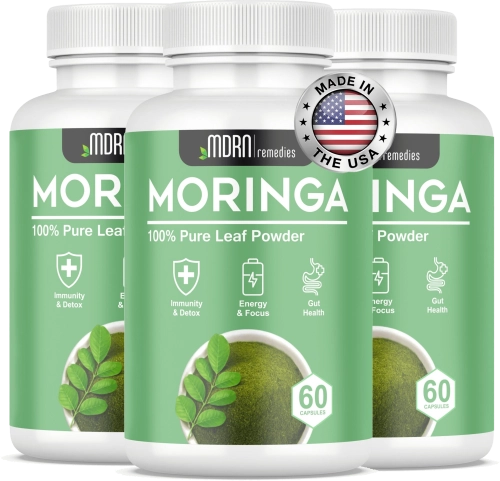
Pure Moringa Powder Capsules
At the most basic level, the concept of a fat burner is rooted in the principle of thermogenesis. This is the process by which the body generates heat, consuming calories in the process. Most commercial supplements aim to stimulate this metabolic fire through various pathways. The most common approach involves the use of stimulants which interact with the central nervous system to elevate heart rate and blood pressure, thereby increasing the total number of calories the body burns at rest. While the theory is sound from a thermodynamic perspective, the practical application often falls short of the dramatic transformations depicted in marketing materials.
Caffeine is perhaps the most well-researched and efficacious ingredient found in these formulations. As an adenosine receptor antagonist, caffeine prevents the signals that tell the brain the body is tired. This leads to increased alertness and the release of adrenaline, which in turn signals the body to mobilize fatty acids from fat stores to be used as fuel. Numerous studies have confirmed that caffeine can increase metabolic rate by three to eleven percent, depending on the dosage and the individual’s sensitivity. However, the body eventually builds a tolerance to caffeine, meaning the metabolic boost tends to diminish over time as the system becomes accustomed to the stimulus.
Another frequently cited ingredient is green tea extract, specifically the catechin known as epigallocatechin gallate or EGCG. This compound works synergistically with caffeine to inhibit an enzyme that breaks down norepinephrine. By keeping norepinephrine levels elevated, the signal to burn fat remains active for longer periods. While the evidence for green tea extract is promising, the actual amount of weight lost in clinical trials is often modest, frequently amounting to only a few extra pounds over several months. This highlights a critical theme in the supplement industry: statistical significance in a laboratory setting does not always equate to a visible physical change in a mirror.
L-Carnitine is another popular component, often marketed as a vehicle for fat transport. Its physiological role is to move long-chain fatty acids into the mitochondria of cells where they can be oxidized for energy. Proponents argue that supplementing with carnitine will speed up this transport process, leading to more fat being burned during exercise. However, the human body is remarkably efficient at maintaining homeostasis. For individuals who are not deficient in carnitine, adding more through supplementation rarely results in a significant increase in fat oxidation because the body already has sufficient levels to manage its metabolic demands.
Soluble fibers like glucomannan represent a different category of weight loss aids. These do not burn fat directly through metabolic stimulation but rather act as appetite suppressants. By absorbing water and expanding in the stomach, these fibers create a sensation of fullness that can lead to a spontaneous reduction in caloric intake. From a weight management perspective, this is often more effective than metabolic stimulants because the primary driver of fat loss is a sustained caloric deficit. If a supplement helps a person eat less, it is technically facilitating fat loss, even if it does not change the metabolic rate.
One must also consider the role of Yohimbine, an alkaloid derived from the bark of an African evergreen tree. Yohimbine works by blocking alpha-2 adrenergic receptors, which are typically found in fat cells and act as brakes on fat mobilization. By blocking these receptors, Yohimbine allows the body to release fat more easily, particularly from stubborn areas where these receptors are more prevalent. However, Yohimbine is a potent stimulant that can cause significant side effects, including anxiety, increased heart rate, and gastrointestinal distress. Its effectiveness is also heavily dependent on being in a fasted state, as even a small rise in insulin can negate its effects.
The regulatory landscape for fat burners is another area of concern. In many jurisdictions, including the United States, dietary supplements are not subject to the same rigorous pre-market testing as pharmaceutical drugs. This means that manufacturers are not required to prove that their products are either safe or effective before they hit the shelves. This lack of oversight has occasionally led to the inclusion of banned substances or hidden ingredients that can pose serious health risks. Issues such as liver toxicity, cardiovascular strain, and severe allergic reactions have been documented in relation to poorly regulated weight loss supplements.
Furthermore, the psychological impact of using fat burners cannot be ignored. There is a phenomenon where individuals who take these supplements may inadvertently give themselves permission to eat more or exercise less, believing the pill will compensate for their choices. This is a counterproductive cycle that often leads to weight gain rather than loss. Conversely, for some, the financial investment and the act of taking a supplement serve as a daily reminder of their fitness goals, potentially increasing their adherence to a strict diet and exercise regimen. In this case, the supplement acts more as a motivational tool than a biological catalyst.
Scientific consensus suggests that while certain ingredients can provide a small metabolic edge, they are not a substitute for the foundational pillars of health. A fat burner might increase daily energy expenditure by fifty to one hundred calories. While this adds up over time, it is easily negated by a single extra snack or a slightly larger portion at dinner. The most successful transformations are always rooted in a caloric deficit achieved through whole-food nutrition and consistent physical activity. Fat burners are best viewed as a supplement in the truest sense of the word: something added to an already optimized program to provide a final few percentage points of efficiency.
For those who decide to use these products, a cautious and informed approach is essential. It is vital to assess tolerance by starting with low doses and to avoid combining multiple stimulant-heavy products. Monitoring heart rate and sleep quality is also crucial, as chronic sleep deprivation caused by excessive stimulant intake can actually lead to weight gain by disrupting hormones like cortisol and ghrelin. Consulting with a healthcare provider before beginning any supplement protocol is the only way to ensure that the chosen product does not interfere with existing health conditions or medications.
In conclusion, the question of whether fat burners really work depends entirely on ones definition of working. If the expectation is a magic solution that melts fat without effort, the answer is a definitive no. However, if the goal is to find a tool that offers a minor metabolic boost, enhances focus during workouts, or helps manage hunger while a person is already following a strict diet and exercise plan, then certain ingredients can be effective. They are not miraculous agents of change but rather chemical assistants that require a disciplined lifestyle to produce any meaningful results. The true secret to fat loss remains the consistent application of discipline in the kitchen and intensity in the gym, with supplements serving only as a peripheral support system.