

THE QUEST FOR EFFICIENT WEIGHT LOSS AND THE TRUTH ABOUT FAT BURNERS
The global obsession with physical aesthetics and optimal health has given rise to a multi billion dollar industry centered on dietary supplements. Among the most popular and controversial products within this sector are fat burners. These supplements are marketed with bold promises of accelerated metabolism, effortless weight loss, and the ability to incinerate stubborn body fat while one sleeps. However, the reality of these products is far more nuanced and complex than the marketing brochures suggest. To understand the truth about fat burners, one must look past the flashy labels and examine the underlying biology, the chemical compositions, and the regulatory environment that governs their sale.
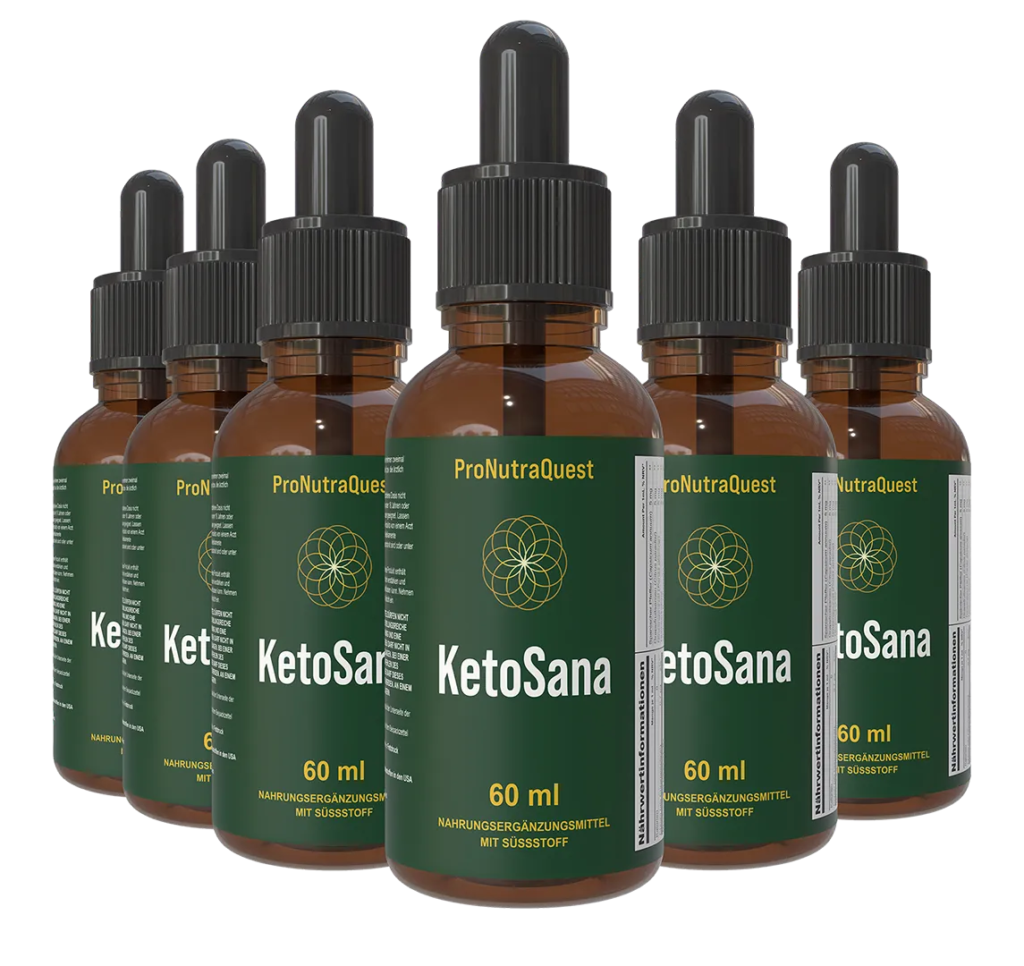
KetoSana – Metabolic Breakthrough Drops (DACH Market).Dietary Supplements – Weight Loss.
THE CATEGORIZATION OF WEIGHT LOSS SUPPLEMENTS
Fat burners is a broad term that encompasses several different types of supplements designed to assist with weight reduction. Understanding these categories is essential for evaluating their effectiveness. The first and most common category is thermogenics. These substances aim to increase the internal temperature of the body, thereby boosting the basal metabolic rate. By increasing heat production, the body requires more energy, which is ideally sourced from stored fat.
The second category involves appetite suppressants. These products work by influencing the hormones and neurotransmitters that signal hunger and satiety, such as ghrelin and leptin. By making a person feel fuller for longer or reducing the urge to snack, these supplements indirectly promote weight loss by reducing caloric intake. The third category consists of fat blockers or malabsorption agents. These are designed to prevent the enzymes in the digestive tract from breaking down and absorbing dietary fats, allowing them to pass through the system unabsorbed. While this sounds effective in theory, it often leads to significant gastrointestinal discomfort.
THE BIOLOGICAL REALITY OF METABOLISM
The human body is an incredibly efficient machine governed by the laws of thermodynamics. For weight loss to occur, an individual must exist in a state of negative energy balance, meaning they expend more calories than they consume. Fat burners are often positioned as a way to circumvent this fundamental rule. However, no pill can override the necessity of a caloric deficit.
The metabolic boost provided by even the most potent legal fat burners is generally modest. Most studies suggest that these supplements may increase metabolic rate by approximately three to five percent. For an average adult, this equates to an extra fifty to one hundred calories per day. While this contributes to the overall goal, it is easily negated by a single extra bite of calorie dense food. Therefore, fat burners should be viewed as a potential supplement to a rigorous diet and exercise program rather than a replacement for it.
AN ANALYSIS OF COMMON INGREDIENTS
To understand how these products work, one must scrutinize the ingredients commonly found on their labels. Caffeine is the most ubiquitous ingredient in the fat burning world. As a powerful central nervous system stimulant, caffeine increases the levels of circulating epinephrine and norepinephrine. These hormones signal the body to mobilize fat stores and use them for energy. Caffeine also provides a temporary boost in focus and physical performance, which can lead to more intense workouts.
Green tea extract is another staple in weight loss formulations. It contains high levels of catechins, specifically epigallocatechin gallate. These antioxidants work synergistically with caffeine to inhibit the enzymes that break down fat burning hormones. Some research indicates that green tea extract can help specifically with the oxidation of fat during exercise.
L Carnitine is often included due to its role in the transport of fatty acids into the mitochondria of cells, where they can be burned for fuel. While L Carnitine is vital for metabolism, the body typically produces enough on its own, and the efficacy of supplemental L Carnitine for fat loss in healthy individuals remains a subject of ongoing debate.
Yohimbine, derived from the bark of an African evergreen tree, is another popular thermogenic. It works by blocking alpha 2 adrenergic receptors, which are found in high concentrations in stubborn fat areas. By blocking these receptors, yohimbine may allow for easier mobilization of fat in these regions. However, yohimbine is also associated with significant side effects, including anxiety, increased heart rate, and elevated blood pressure.
THE REGULATORY LANDSCAPE AND CONSUMER SAFETY
One of the most critical truths about fat burners is the lack of stringent regulation in the supplement industry. In many jurisdictions, including the United States, dietary supplements are not required to undergo the same rigorous testing for safety and efficacy as pharmaceutical drugs before they are sold to the public. The burden of proof lies with regulatory bodies to demonstrate that a product is unsafe after it is already on the market.
This environment has led to the use of proprietary blends, where manufacturers list a group of ingredients without specifying the exact dosage of each. This lack of transparency makes it difficult for consumers to know if they are receiving an effective dose or a dangerous amount of a particular stimulant. History is filled with examples of fat burners being pulled from the shelves due to hidden dangerous ingredients or unexpected cardiovascular risks.
THE PSYCHOLOGICAL ASPECT AND THE PLACEBO EFFECT
The efficacy of fat burners is not solely limited to their chemical impact on the body. There is a significant psychological component to taking a weight loss supplement. For many, the act of investing in a supplement serves as a commitment to their health goals. This often leads to improved adherence to diet and exercise regimens. If a person believes the pill is helping them, they may work harder in the gym or be more mindful of their meals.
However, the opposite can also occur. The false sense of security provided by a fat burner can lead to metabolic compensation. Some individuals may inadvertently eat more or move less during the day because they believe the supplement is doing the work for them. This creates a stagnant or even negative result despite the financial investment in the product.
POTENTIAL RISKS AND ADVERSE EFFECTS
The use of fat burners is not without risk. Because most of these products rely heavily on stimulants, they can place a significant strain on the cardiovascular system. Common side effects include jitteriness, insomnia, increased heart rate, and palpitations. For individuals with underlying heart conditions or sensitivities to stimulants, these products can be genuinely dangerous.
Furthermore, some ingredients can interfere with prescription medications. For example, supplements that influence serotonin or dopamine levels can have adverse interactions with antidepressants. Chronic use of fat burners can also lead to adrenal fatigue or a tolerance build up, where the body no longer responds to the stimulants, requiring higher and higher doses to achieve the same effect. This cycle can lead to a dangerous dependence on high levels of caffeine and other stimulants just to maintain normal energy levels.
THE HOLISTIC APPROACH TO PERMANENT FAT LOSS
The most enduring truth about fat burners is that they are not magic. Lasting body transformation is the result of consistent, sustainable lifestyle changes. This includes a nutrient dense diet focused on whole foods, regular resistance training to build and maintain muscle mass, and adequate cardiovascular activity to support heart health and caloric expenditure.
Muscle tissue is more metabolically active than fat tissue. Therefore, focusing on strength training is a more effective long term strategy for increasing ones basal metabolic rate than any supplement. Additionally, sleep and stress management play crucial roles in weight regulation. Chronic stress leads to elevated cortisol levels, which is directly linked to increased abdominal fat storage and cravings for high calorie foods.
CONCLUSION: THE FINAL VERDICT
In the grand scheme of health and fitness, fat burners occupy a very small niche. They may provide a slight metabolic edge for elite athletes or individuals who already have their nutrition and training perfectly dialed in and are looking to lose the final few pounds for a competition. For the general population, however, the benefits are often negligible and rarely justify the cost or the potential health risks.
The journey to a healthier body is a marathon, not a sprint. While the allure of a quick fix is powerful, true success lies in the mastery of the fundamentals. One should approach fat burners with a healthy dose of skepticism and a primary focus on the pillars of health: food quality, physical movement, and restorative sleep. By focusing on these elements, the need for chemical assistance diminishes, and the results achieved are not only more significant but much easier to maintain over a lifetime.