

Natural Ways to Burn Fat Faster

The journey toward achieving a leaner physique is often depicted as a struggle against biological predispositions, yet the human body is a highly adaptable system that responds precisely to the signals it receives from its environment. Burning fat faster naturally is not about magic pills or extreme deprivation but rather about optimizing the metabolic pathways that govern energy expenditure and storage. To understand how to accelerate this process, one must look at the intersection of nutrition, physical activity, hormonal balance, and lifestyle recovery. By aligning these pillars, individuals can shift their physiology into a state that favors fat oxidation while preserving vital lean tissue.
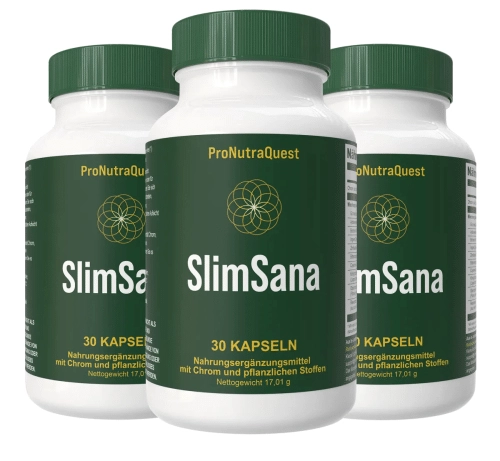
SlimSana Weight Loss
Metabolic rate is the foundational element of fat loss. It represents the total number of calories the body requires to maintain basic physiological functions. While genetics play a role, several natural strategies can significantly elevate this baseline. One of the most effective ways to influence metabolism is through the thermic effect of food. This concept refers to the energy required to digest, absorb, and process nutrients. Among the three macronutrients, protein has the highest thermic effect. It requires much more energy to break down than carbohydrates or fats. By increasing protein intake, a person naturally burns more calories simply by eating. Furthermore, protein is essential for preserving muscle mass during a caloric deficit. Since muscle tissue is more metabolically active than fat tissue, maintaining it ensures that the resting metabolic rate remains high even as weight is lost.
In addition to dietary choices, the type of physical activity performed determines how efficiently the body accesses stored fat for fuel. While steady-state cardiovascular exercise like walking or light jogging has its place in a healthy lifestyle, high-intensity interval training offers a unique metabolic advantage. This form of exercise involves short bursts of intense effort followed by brief recovery periods. The physiological stress created by these intervals triggers a phenomenon known as “excess post-exercise oxygen consumption.” After a high-intensity session, the body requires additional energy to return to its resting state, repair tissues, and replenish oxygen stores. This leads to an elevated calorie burn that can last for several hours after the workout has ended. By incorporating these sessions a few times a week, individuals can maximize their time and accelerate fat loss without the need for hours of traditional cardio.
Resistance training is another vital component of a natural fat loss strategy. Building muscle is perhaps the most sustainable way to increase long-term energy expenditure. Every pound of muscle gained acts like a small furnace, burning calories even when the body is at rest. Strength training also improves insulin sensitivity, which is critical for fat management. When cells are sensitive to insulin, the body is more efficient at using glucose for energy rather than storing it as adipose tissue. This hormonal optimization makes it easier to maintain a lean body composition over time. Lifting weights or performing bodyweight exercises two to four times per week provides the stimulus needed to signal the body that muscle is a priority, forcing it to look toward fat stores when energy is needed.
The role of sleep and stress management in fat loss is frequently overlooked, yet these factors are just as important as diet and exercise. Chronic stress leads to elevated levels of cortisol, a hormone that encourages fat storage, particularly in the abdominal region. High cortisol also interferes with other hormones like leptin and ghrelin, which control hunger and satiety. When a person is sleep-deprived, ghrelin levels rise while leptin levels fall, leading to increased cravings for high-calorie, sugary foods. This biological drive makes it nearly impossible to stick to a healthy eating plan through willpower alone. Prioritizing seven to nine hours of quality sleep each night allows the body to regulate these hormones and repair itself, creating a hormonal environment conducive to fat oxidation.
Hydration also plays a subtle but powerful role in metabolic efficiency. Water is necessary for the process of lipolysis, which is the chemical breakdown of fats. If the body is even slightly dehydrated, its ability to burn fat slows down. Some studies suggest that drinking cold water can provide a temporary metabolic boost as the body spends energy to warm the liquid to internal temperatures. Furthermore, replacing sugary beverages with water or natural teas can drastically reduce caloric intake without affecting satiety. Green tea, in particular, contains antioxidants called catechins that have been shown to work synergistically with caffeine to enhance fat oxidation. These natural compounds help mobilize fat from fat cells, making it available for use as energy during physical activity.
Focusing on fiber and whole foods is another essential strategy. Fiber, found in vegetables, fruits, legumes, and whole grains, adds bulk to the diet without adding significant calories. It slows the digestion process, which prevents rapid spikes and crashes in blood sugar. Stable blood sugar levels mean that insulin remains low, and when insulin is low, the body is in a better position to access stored fat. Moreover, a diet rich in whole foods ensures that the body receives the micronutrients it needs to function optimally. Deficiencies in vitamins and minerals can lead to sluggishness and decreased motivation, making it harder to maintain an active lifestyle. By prioritizing nutrient density over caloric density, individuals can feel full and energized while still losing weight.
Non-exercise activity thermogenesis, often referred to as NEAT, is a powerful tool for fat loss that requires no gym membership. This includes all the movement a person does throughout the day that is not formal exercise, such as walking to the store, cleaning the house, or even fidgeting. For many people, formal exercise only accounts for a small fraction of their total daily energy expenditure. Increasing NEAT by taking the stairs instead of the elevator, standing more frequently, or going for short walks after meals can add up to hundreds of extra calories burned every day. This consistent movement keeps the metabolism active and prevents the body from entering a sedentary state where fat storage becomes the default.
The timing of meals can also influence how the body processes energy. While total caloric balance is the primary driver of weight loss, strategies such as intermittent fasting can help some individuals manage their hunger and improve metabolic flexibility. Metabolic flexibility is the ability of the body to switch between burning carbohydrates and burning fat. By extending the period between the last meal of the day and the first meal of the next day, the body is forced to rely on its internal fat stores for energy once the glucose from the previous meal has been depleted. This practice can also help lower baseline insulin levels, making it easier for the body to access stubborn fat deposits over time.
Consistency and patience are the final pieces of the puzzle. Natural fat loss is a gradual process that requires a sustainable approach. Extreme diets and overtraining often lead to burnout and metabolic adaptation, where the body slows down to protect its energy stores. By focusing on small, manageable changes in nutrition and activity, a person can create a lifestyle that naturally promotes a healthy weight. The goal should be to create a body that is efficient at using energy, resilient to stress, and fueled by high-quality nutrients. When these elements are in place, fat loss becomes a natural byproduct of a healthy lifestyle rather than a constant, exhausting battle.
In conclusion, burning fat faster naturally involves a comprehensive approach that targets the body from multiple angles. By increasing protein intake to boost metabolism, utilizing high intensity and resistance training to maximize energy expenditure, and prioritizing sleep to balance hormones, anyone can enhance their fat loss potential. Supporting these efforts with proper hydration, high-fiber whole foods, and increased daily movement ensures that the results are both effective and lasting. Ultimately, the most successful strategies are those that align with the natural biological processes of the human body, fostering health and vitality alongside a leaner physique.