
The Science of Metabolic Enhancement and Fat Oxidation
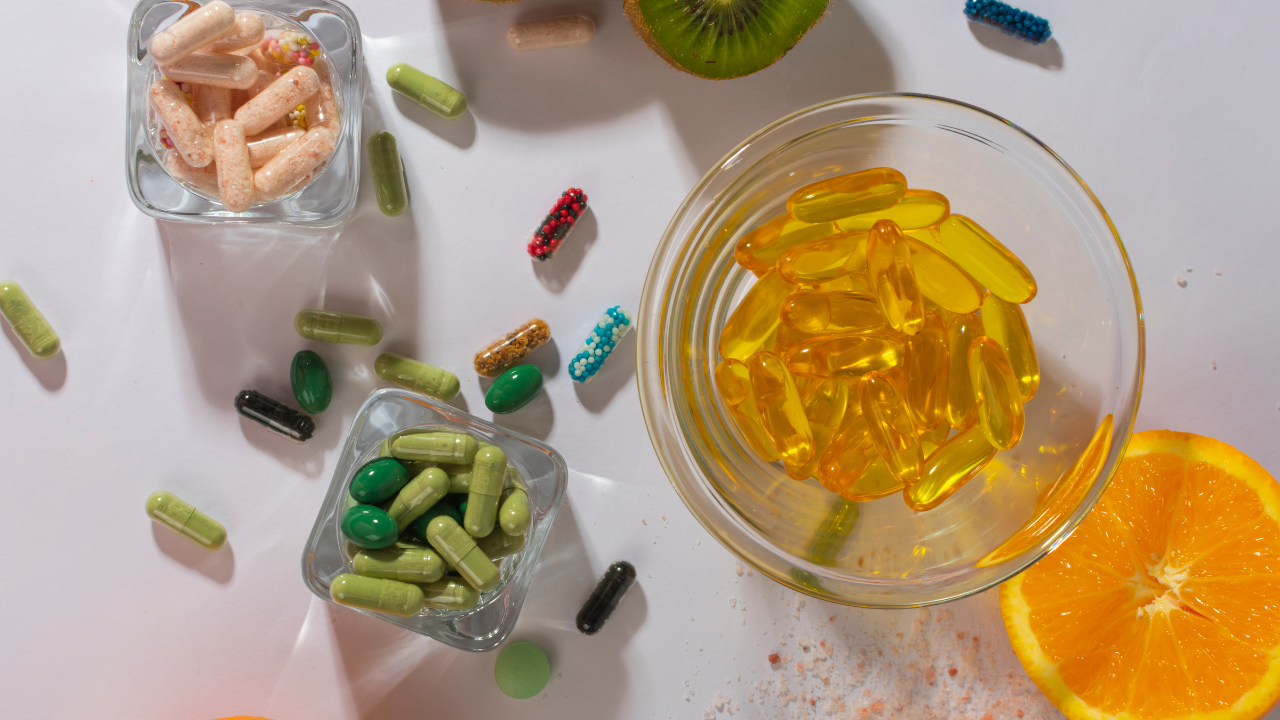
The human body operates as a sophisticated bio-energetic system where every chemical reaction serves the purpose of maintaining homeostasis and providing energy for survival. Within this complex framework, the management of adipose tissue represents one of the most significant physiological challenges for individuals seeking to optimize their body composition. While the fundamental law of thermodynamics dictates that a caloric deficit is necessary for weight loss, the efficiency with which the body accesses and burns stored fat can be significantly influenced by various dietary interventions. This is where the strategic use of supplements comes into play. Supplements designed for fat burning do not work by magic; instead, they function by modulating specific metabolic pathways, enhancing the rate of heat production, or facilitating the transport of fatty acids into the cells to be used as fuel. Understanding how these substances interact with human biology is essential for anyone looking to maximize their metabolic potential.
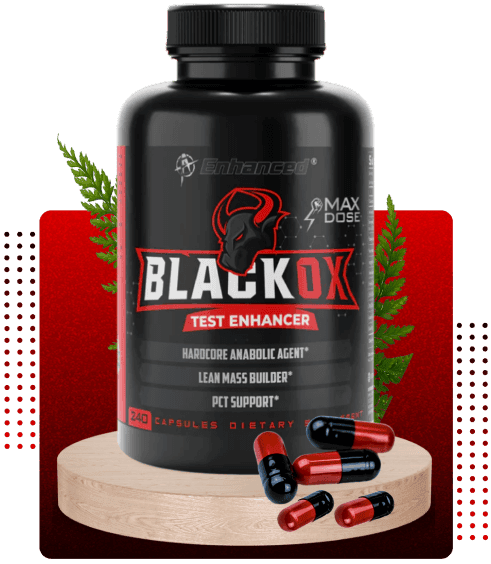
Black Ox – Hardcore Test Enhancer
To understand how supplements boost fat burning, one must first understand the two-step process of fat loss: lipolysis and lipid oxidation. Lipolysis is the process of breaking down stored triglycerides into free fatty acids and glycerol, allowing them to enter the bloodstream. Oxidation is the actual burning of those fatty acids within the mitochondria of the cells to produce adenosine triphosphate, which is the primary energy currency of the body. Many supplements are designed to accelerate one or both of these processes. By increasing the presence of certain hormones or enzymes, these substances can signal the body to prioritize the use of fat as a primary energy source rather than relying solely on glucose.
One of the most well-documented and effective compounds for fat loss is caffeine. As a natural stimulant found in coffee, tea, and various botanical extracts, caffeine works primarily by antagonizing adenosine receptors in the brain. This action increases the secretion of neurotransmitters like dopamine and norepinephrine. Norepinephrine, in particular, plays a critical role in fat loss because it signals the breakdown of fat cells. Furthermore, caffeine inhibits an enzyme called phosphodiesterase, which normally breaks down cyclic adenosine monophosphate. When levels of this compound remain elevated, the signal for lipolysis is prolonged, resulting in more fatty acids being released into the circulation. Beyond its role in mobilizing fat, caffeine also increases the basal metabolic rate, meaning the body burns more calories at rest through a process known as thermogenesis.
Thermogenesis is the production of heat within the body, and it is a major component of daily energy expenditure. Certain supplements, often referred to as thermogenics, aim to increase this heat production. Green tea extract is a prominent example of a non-stimulant or low-stimulant thermogenic. It contains high concentrations of catechins, specifically epigallocatechin gallate. These catechins work synergistically with the body’s naturally occurring catecholamines to inhibit the enzyme that degrades norepinephrine. By keeping norepinephrine active for a longer duration, green tea extract ensures that the metabolic fire continues to burn more intensely. When combined with caffeine, the effects of green tea extract are often amplified, leading to a significant increase in 24-hour energy expenditure and fat oxidation.
Another critical mechanism for fat burning involves the transport of fatty acids. Even if the body is efficient at breaking down fat through lipolysis, those fatty acids must be transported into the mitochondria to be oxidized. L-carnitine is an amino acid derivative that plays a fundamental role in this transport system. It acts as a shuttle, carrying long-chain fatty acids across the mitochondrial membrane. Without sufficient carnitine, fatty acids cannot enter the cellular furnaces, leading to a bottleneck in the fat-burning process. Supplementing with carnitine, especially in individuals who may be deficient or those engaged in high-intensity exercise, can help clear this bottleneck and ensure that the mobilized fats are actually utilized for energy rather than being re-esterified back into fat cells.
The role of appetite regulation cannot be overlooked when discussing fat-burning supplements. Maintaining a caloric deficit is often the hardest part of any weight loss journey due to the physiological and psychological pressure of hunger. Some supplements assist in fat loss by promoting satiety or slowing down the absorption of nutrients. Glucomannan, a natural dietary fiber derived from the konjac root, is a prime example. It absorbs a significant amount of water in the stomach, creating a sense of fullness that can lead to a spontaneous reduction in calorie intake. Similarly, 5-HTP, a precursor to serotonin, can help regulate mood and appetite, reducing the likelihood of emotional eating or cravings for high-calorie carbohydrates. By managing the input side of the energy equation, these supplements indirectly but effectively support the fat-burning process.
In recent years, research has also focused on the role of insulin sensitivity in fat management. When the body is resistant to insulin, it tends to store fat more easily and has a harder time accessing it for energy. Compounds like chromium picolinate, berberine, and alpha-lipoic acid are often included in fat-burning regimens because of their ability to improve glucose metabolism. By making the cells more sensitive to insulin, these substances help maintain stable blood sugar levels and prevent the massive insulin spikes that signal the body to store fat. When insulin levels are kept in check, the hormonal environment becomes much more favorable for the mobilization and oxidation of stored adipose tissue.
The importance of protein supplementation in a fat-burning context is often underestimated. While people usually associate whey protein with muscle gain, it is also a powerful tool for fat loss. Protein has a higher thermic effect of food compared to fats or carbohydrates, meaning the body uses more energy to digest and process it. Furthermore, a high protein intake helps preserve lean muscle mass during a caloric deficit. Since muscle tissue is metabolically active and burns more calories at rest than fat tissue, maintaining muscle is vital for keeping the metabolic rate high. Supplements like branched-chain amino acids can also assist in this regard by providing the building blocks necessary to prevent muscle catabolism during fasted cardio or intense training sessions.
Another interesting area of supplementation involves conjugated linoleic acid, which is a type of fatty acid found in dairy and beef. Studies suggest that this compound may help reduce body fat by inhibiting the activity of the enzyme lipoprotein lipase, which is responsible for moving fat from the bloodstream into fat cells. By blocking this enzyme, the compound encourages the body to use fat for energy instead of storing it. While the effects of this specific supplement may be more subtle than those of potent stimulants, it represents a long-term approach to altering body composition by modulating how the body handles lipids.
It is crucial to emphasize that supplements are intended to be additions to a foundational lifestyle of proper nutrition and physical activity. No pill can overcome a diet that is chronically high in processed sugars and excessive calories. However, for an individual who is already training hard and eating a balanced diet, the right supplements can provide a marginal gain that accelerates progress and helps overcome metabolic plateaus. The synergy between exercise and supplementation is particularly powerful. For example, taking a thermogenic supplement before a workout can increase the total amount of fat oxidized during the session, and using a recovery supplement afterward can ensure that the metabolism remains elevated during the post-exercise oxygen consumption phase.
Safety and quality are also paramount when selecting fat-burning supplements. Because the supplement industry is vast, consumers should look for products that are transparent about their ingredients and dosages. Overloading on stimulants can lead to adverse effects such as increased heart rate, anxiety, and disrupted sleep, which can paradoxically hinder fat loss by increasing cortisol levels. Cortisol is a stress hormone that, when chronically elevated, encourages fat storage in the abdominal region. Therefore, a balanced approach that includes both stimulant and non-stimulant ingredients is often the most effective and sustainable strategy.
The journey toward a leaner physique is a marathon, not a sprint. The physiological adaptations required to burn fat efficiently take time to develop. Supplements serve as catalysts in this process, helping to optimize the internal environment, enhance energy expenditure, and improve the body’s ability to mobilize and burn its fat stores. Whether through the metabolic boost of caffeine, the fatty acid transport of carnitine, or the appetite-suppressing effects of soluble fibers, these tools can play a significant role in a comprehensive weight management plan. By understanding the science behind these ingredients, individuals can make informed choices that align with their health goals and physiological needs.
In conclusion, supplements boost fat burning through a variety of sophisticated mechanisms that target different stages of the metabolic process. They can increase the basal metabolic rate, enhance the breakdown of fat cells, facilitate the transport of fatty acids into the mitochondria, and improve hormonal balance and insulin sensitivity. When used correctly as part of a structured program involving a caloric deficit and regular exercise, they offer a scientifically backed way to enhance body composition. The key is to view them as targeted tools rather than magic solutions, using their biological properties to nudge the body toward a more efficient state of fat oxidation and energy utilization.