

Weight Loss Supplements That Are Trending
The landscape of weight management has undergone a profound transformation over the last few years. While the fundamental principles of diet and exercise remain the cornerstone of health, the advent of new scientific discoveries and pharmacological breakthroughs has shifted public interest toward supplementation that targets metabolic pathways. The contemporary consumer is no longer satisfied with simple stimulants that provide a temporary energy boost. Instead, the focus has moved toward sophisticated formulations designed to address insulin sensitivity, gut health, and hormonal balance. This shift reflects a deeper understanding of the biological complexities that govern body weight and the realization that metabolic health is a multifaceted challenge requiring a nuanced approach.
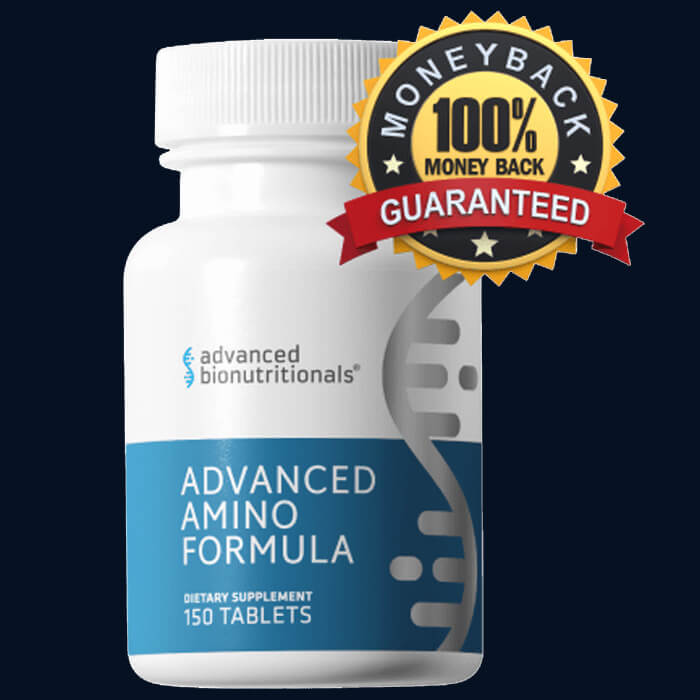
Earn 60% Commission. Promoting Advanced Amino Formula
One of the most prominent trends in the current supplement market is the rise of compounds that mimic the effects of popular pharmaceutical weight loss drugs. This trend has been largely driven by the massive success of glucagon-like peptide-1 agonists, which have redefined how society views weight loss interventions. In response, a segment of the supplement industry has turned its attention to natural alternatives such as berberine. Often referred to by enthusiasts as nature’s alternative to pharmaceutical metabolic regulators, berberine is a bioactive compound extracted from several different plants, including barberry and goldenseal. It has gained significant traction due to its ability to activate adenosine monophosphate-activated protein kinase. This enzyme plays a crucial role in regulating metabolism and energy levels. By influencing how the body handles glucose and lipids, berberine has become a primary choice for those seeking to support their metabolic health without a prescription.
Parallel to the rise of metabolic mimics is the growing recognition of the gut microbiome as a central player in weight regulation. The science of the gut-brain axis suggests that the bacteria living in our digestive systems can influence hunger signals, fat storage, and even cravings. This has led to the popularity of targeted probiotics, specifically those containing strains like Akkermansia muciniphila. This particular bacterium is associated with a healthy gut lining and improved metabolic markers. Unlike traditional broad-spectrum probiotics, these new formulations are marketed for their specific roles in weight management. Additionally, the use of prebiotic fibers such as inulin and glucomannan continues to trend. Glucomannan is a water-soluble dietary fiber derived from the root of the konjac plant. When consumed before meals, it absorbs water and expands in the stomach, promoting a feeling of fullness and reducing the likelihood of overeating.
Stress management has also become an integral part of the weight loss conversation. Modern consumers are increasingly aware of the role that cortisol, the primary stress hormone, plays in abdominal fat accumulation. This awareness has propelled adaptogens like ashwagandha and rhodiola rosea into the spotlight. Ashwagandha, an ancient herb used in traditional medicine, has been studied for its ability to lower cortisol levels and improve the body’s resilience to stress. By addressing the psychological and physiological aspects of stress, these supplements aim to prevent the emotional eating and metabolic slowdown often associated with a high-pressure lifestyle. The trend here is a move toward holistic health, where mental well-being is viewed as a prerequisite for physical weight loss.
Thermogenic supplements remain a staple in the industry, but their compositions are evolving. Traditional ingredients like caffeine and green tea extract are now being paired with newer, more specialized compounds like grains of paradise extract. This spice, related to ginger, contains bioactive molecules that may help convert white adipose tissue into brown adipose tissue. Brown fat is more metabolically active and helps the body burn more calories to generate heat. This process, known as thermogenesis, is being refined by manufacturers who seek to maximize calorie expenditure without the jittery side effects often associated with high doses of synthetic stimulants. The focus is on clean energy and sustainable metabolic enhancement.
Blood sugar stabilization is another critical pillar of the current supplementation trend. Ingredients like chromium picolinate and cinnamon extract are frequently included in weight loss stacks to help manage post-meal glucose spikes. When blood sugar remains stable, insulin levels stay lower, which encourages the body to utilize stored fat for energy rather than storing new calories. Apple cider vinegar has also maintained its position as a trending supplement, particularly in gummy form. While the liquid version has been used for centuries, the convenience of gummies has made it more accessible to a wider audience. Proponents suggest that the acetic acid in the vinegar helps improve insulin sensitivity and suppresses appetite, though experts emphasize that these should be viewed as supportive tools rather than primary solutions.
The evolution of supplement delivery formats is also worth noting. The industry is moving away from large, hard-to-swallow pills in favor of more enjoyable and convenient options. Gummies, powders that can be mixed into functional beverages, and even caffeinated strips are becoming the norm. This trend is driven by a desire for better compliance, as users are more likely to stay consistent with their supplement regimen if the experience is pleasant. However, this shift has also sparked discussions about the sugar content and artificial ingredients sometimes found in flavored supplements. Discerning consumers are now looking for clean labels that list transparent dosages and lack unnecessary fillers or synthetic dyes.
Safety and transparency have become paramount as the market grows more crowded. The modern consumer is more educated than ever before, often researching clinical studies and third-party certifications before making a purchase. This has forced manufacturers to prioritize quality control and evidence-based formulations. Trending supplements are now more likely to feature patented ingredients that have undergone rigorous testing. Furthermore, there is an increasing demand for products that are vegan, non-genetically modified, and free from common allergens. This trend toward purity reflects a broader cultural shift toward conscious consumption and a refusal to compromise long-term health for short-term weight loss results.
The role of protein supplementation in weight loss is also being reimagined. Traditionally associated with bodybuilding, protein powders are now marketed as essential tools for weight management. High protein intake is known to increase satiety and preserve lean muscle mass during a calorie deficit. Plant-based proteins, such as those derived from peas, rice, and hemp, are trending as more people adopt flexitarian or vegan diets. These supplements are often fortified with digestive enzymes to ensure optimal absorption, catering to a demographic that values both muscle maintenance and digestive comfort.
Looking ahead, the future of trending weight loss supplements seems to lie in personalization. We are seeing the beginning of a move toward bespoke supplementation based on genetic testing or blood work. Instead of a one-size-fits-all approach, individuals may soon be able to use supplements tailored to their specific metabolic deficiencies or hormonal profiles. This level of precision would represent a significant leap forward in the efficacy of over-the-counter weight loss aids. For now, the focus remains on high-quality ingredients that address the underlying biological factors of weight gain rather than just the symptoms.
In conclusion, the world of weight loss supplements is currently defined by a sophisticated blend of traditional wisdom and cutting-edge science. From the metabolic benefits of berberine to the gut health focus of specialized probiotics, the trends are pointing toward a more holistic and health-conscious approach to body management. While no supplement can replace the necessity of a balanced diet and regular physical activity, these emerging tools offer promising support for those looking to optimize their results. As the industry continues to evolve, the emphasis on transparency, safety, and metabolic health will likely remain at the forefront, guiding consumers toward more effective and sustainable choices in their journey toward better health.